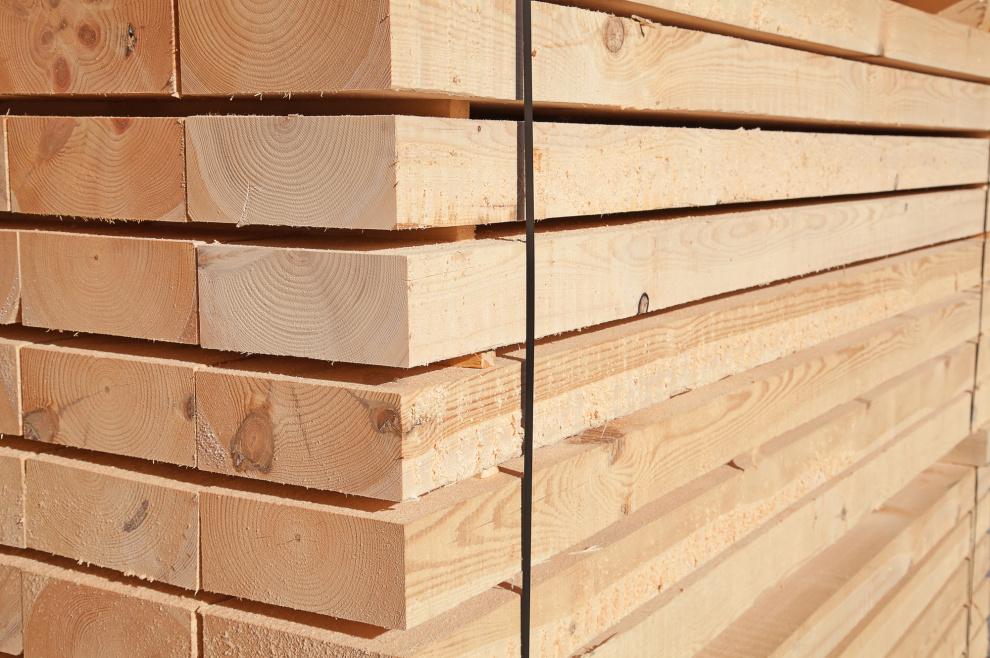
The reviews cover Canadian softwood lumber and uncoated paper from Brazil and Portugal, and list the companies subject to review.
The reviews cover Canadian softwood lumber and uncoated paper from Brazil and Portugal, and list the companies subject to review.
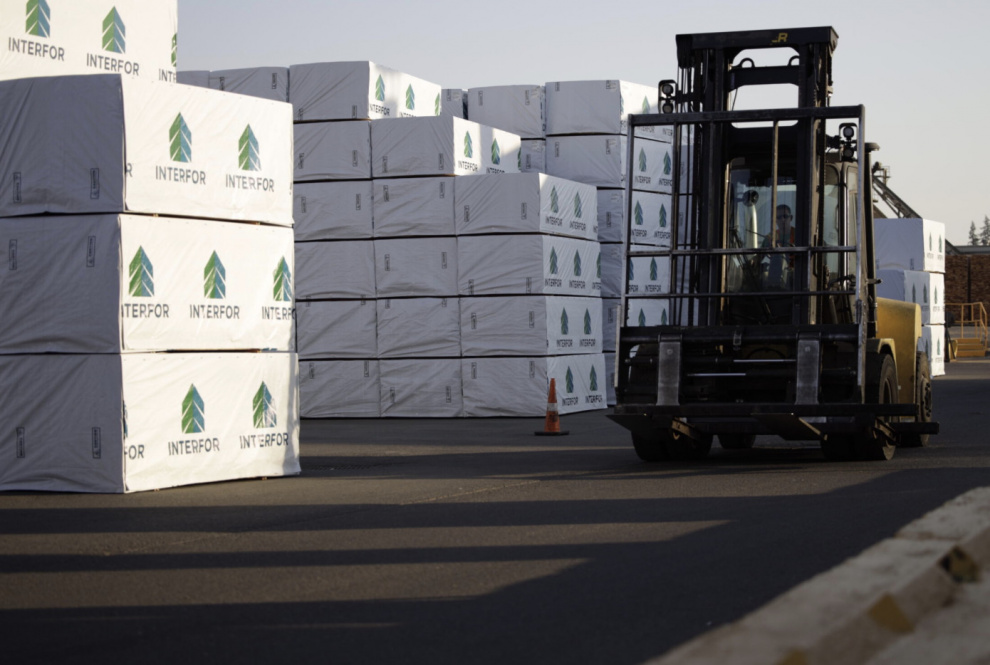
Nairn Centre will run briefly to process log inventory, with the sawmill expected to operate into early to mid-June and the planer into late June.
CAPE filings in the ACE portal will remove IEEPA tariff lines from eligible entries and pay refunds in lump sums with interest.
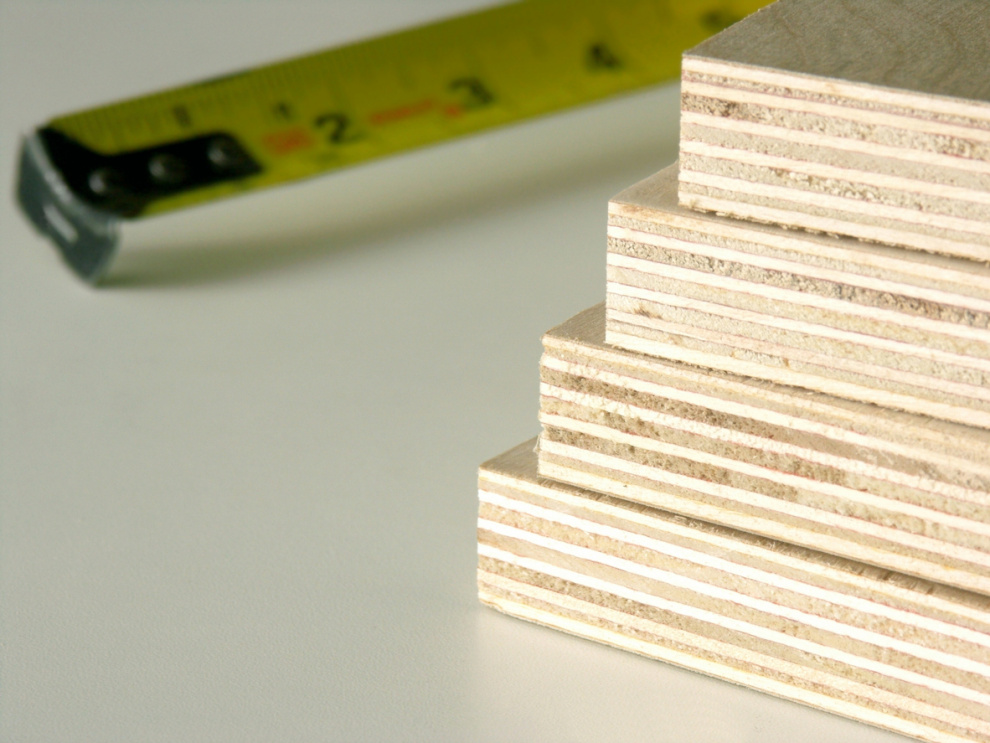
The measure covers CN code 4412 39 00, takes effect Thursday, and excludes one Brazilian exporter found not dumping.
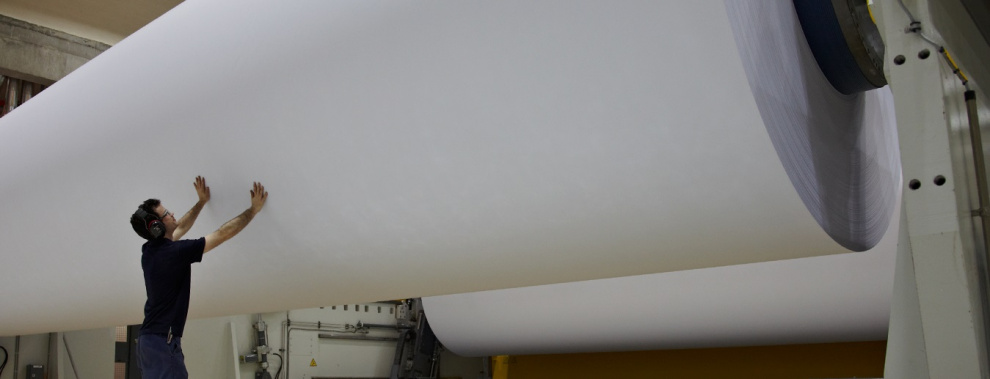
Price increase applies to toilet paper, napkins and kitchen rolls across all markets to offset energy and logistics cost inflation.
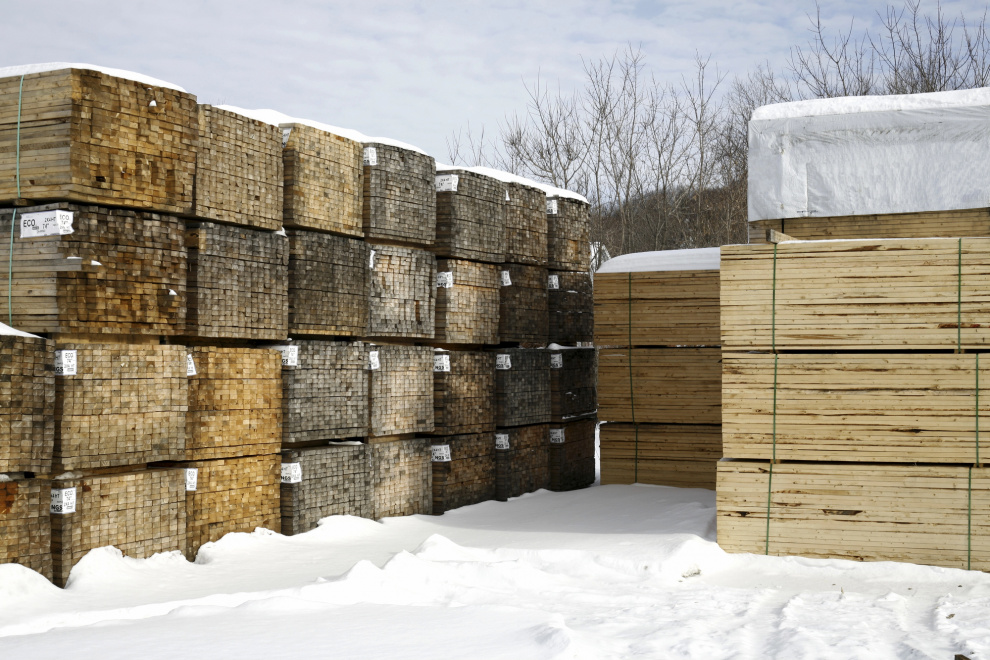
Commerce preliminarily sets combined duties at 25%, but the current 35% rate stays in effect until a final determination.
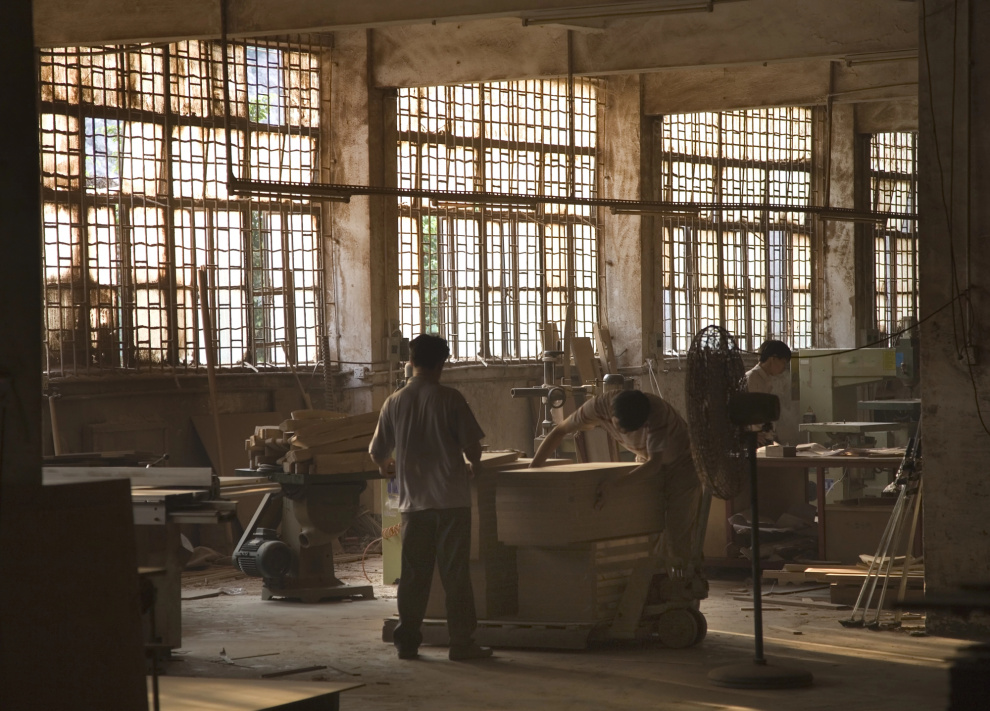
Preliminary results cover 2024 and include partial rescissions for withdrawn requests and no-shipment firms.
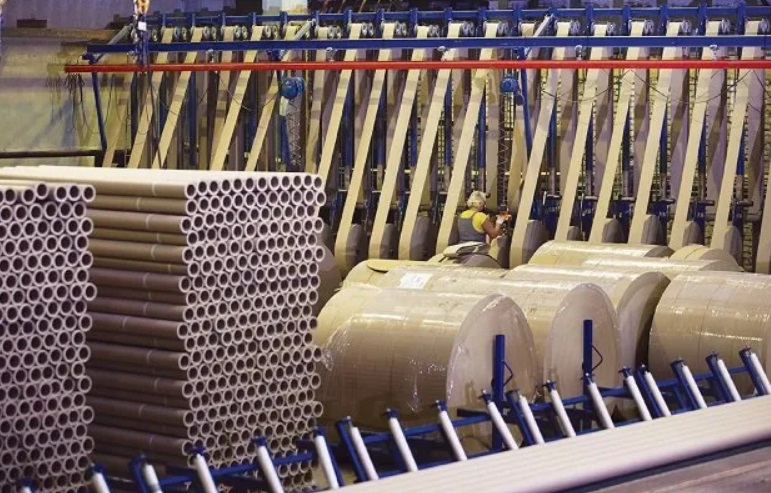
Company operates 19 tube and core plants and five paperboard mills across Europe.
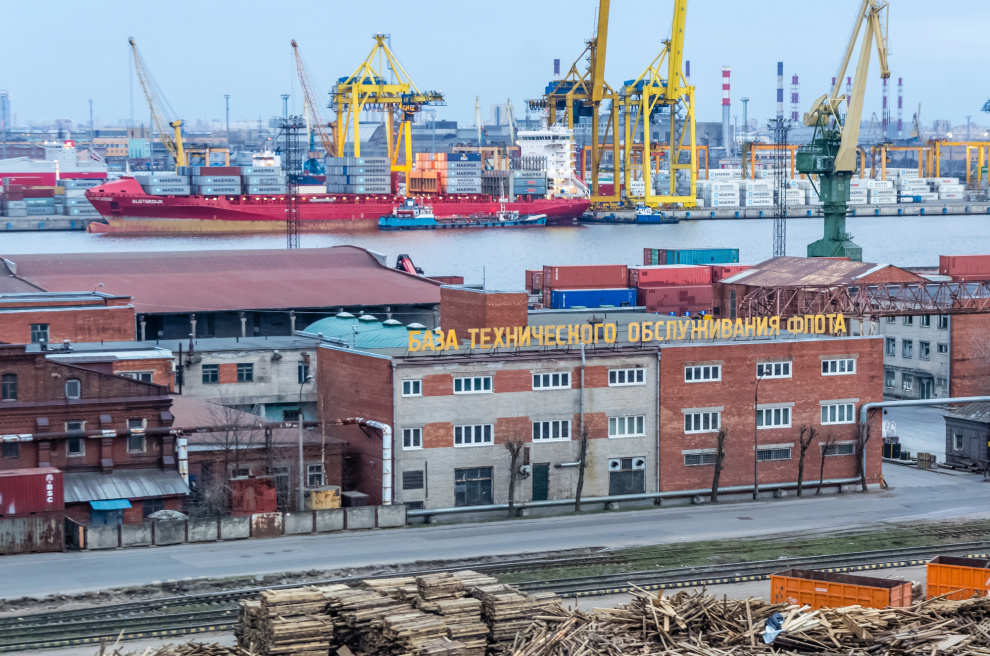
Industry groups seek a three-year bankruptcy moratorium as losses top 15 billion rubles.
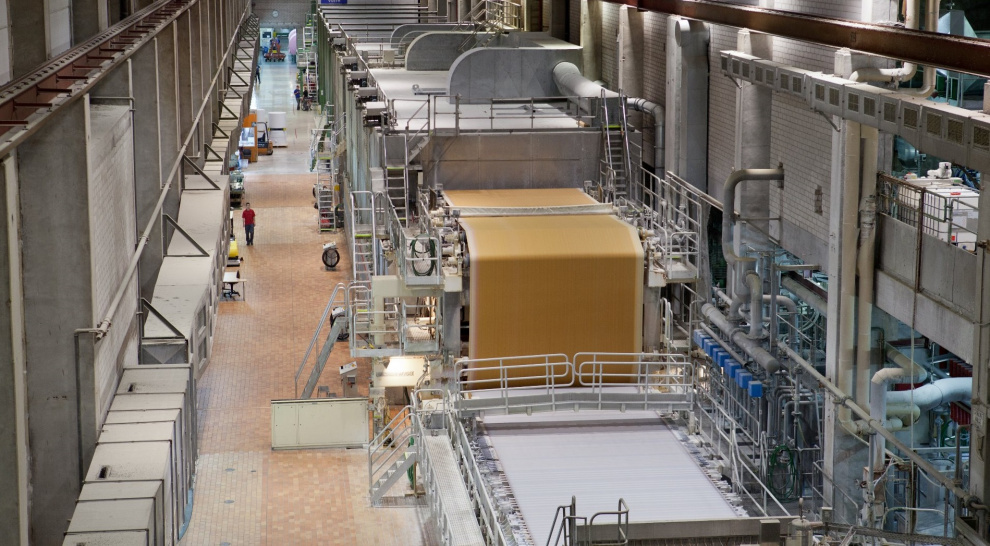
Price adjustment effective 1 May 2026 follows cost increases in pulp, chemicals, energy and freight.
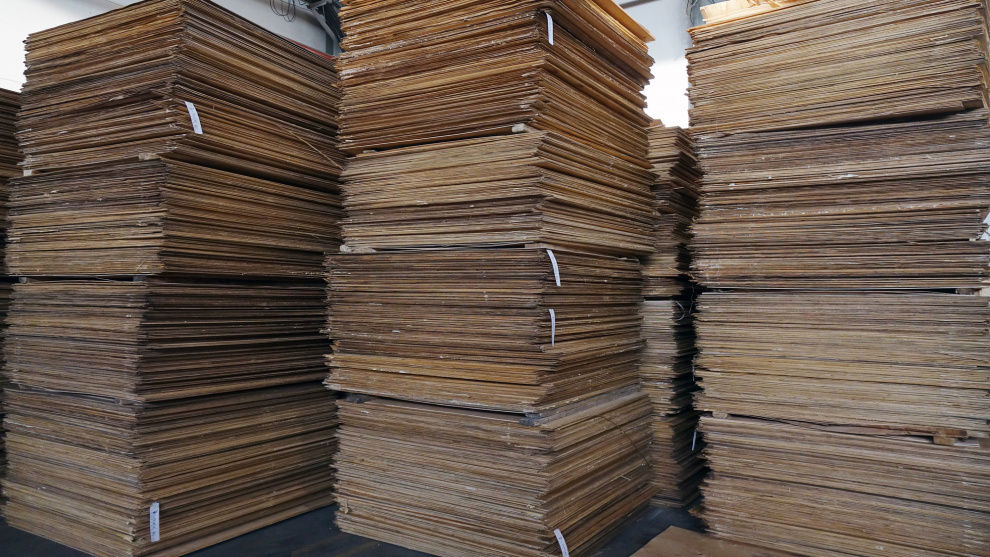
Preliminary duties of up to nearly 200% already apply to imports as investigation enters final phase.

Additional Euro 40 per ton applies to mechanical coated reels as Middle East disruptions add to cost pressures.
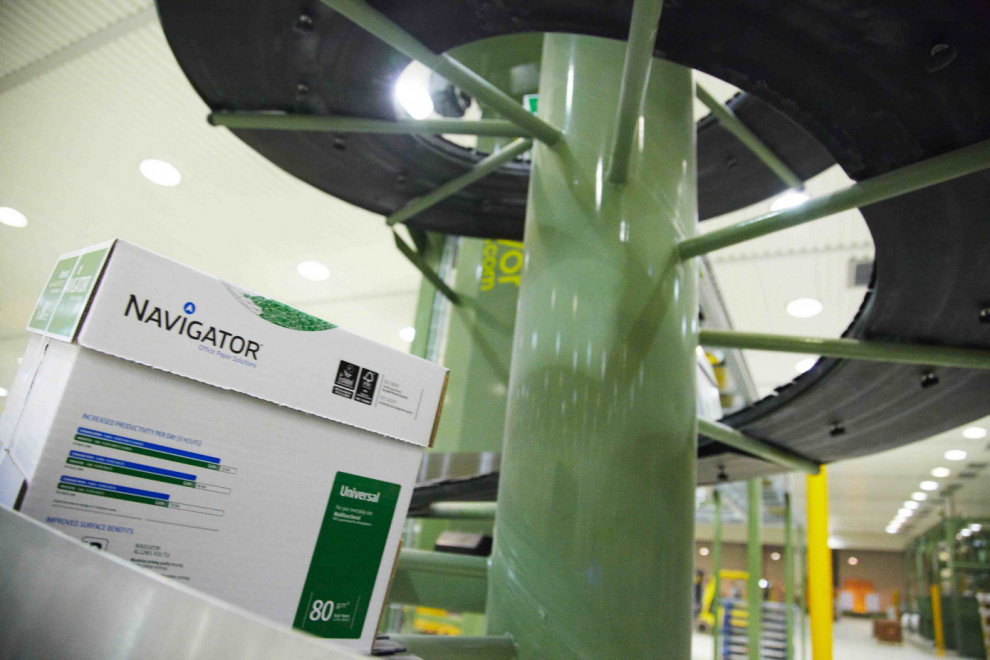
Entry-level grades face highest increase as energy and raw material costs drive adjustment.
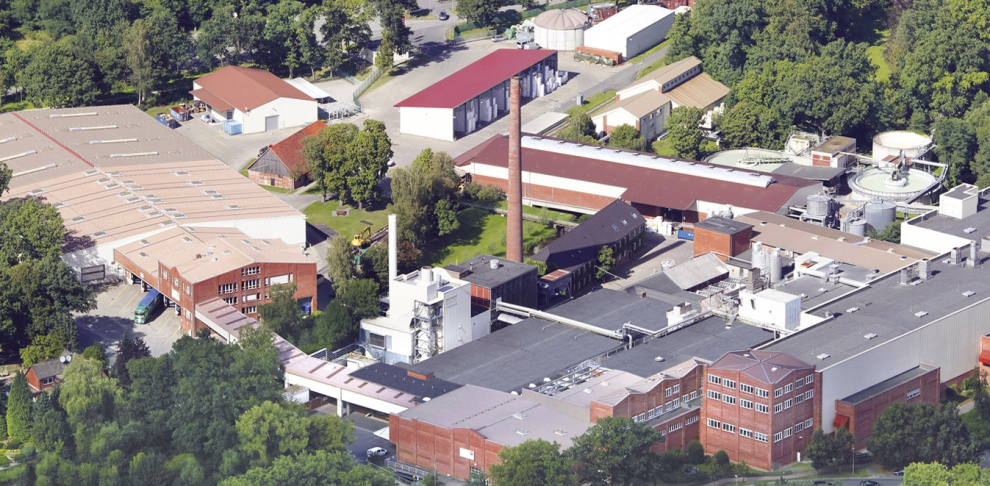
German papermaker introduces temporary energy surcharge amid rising raw material costs.
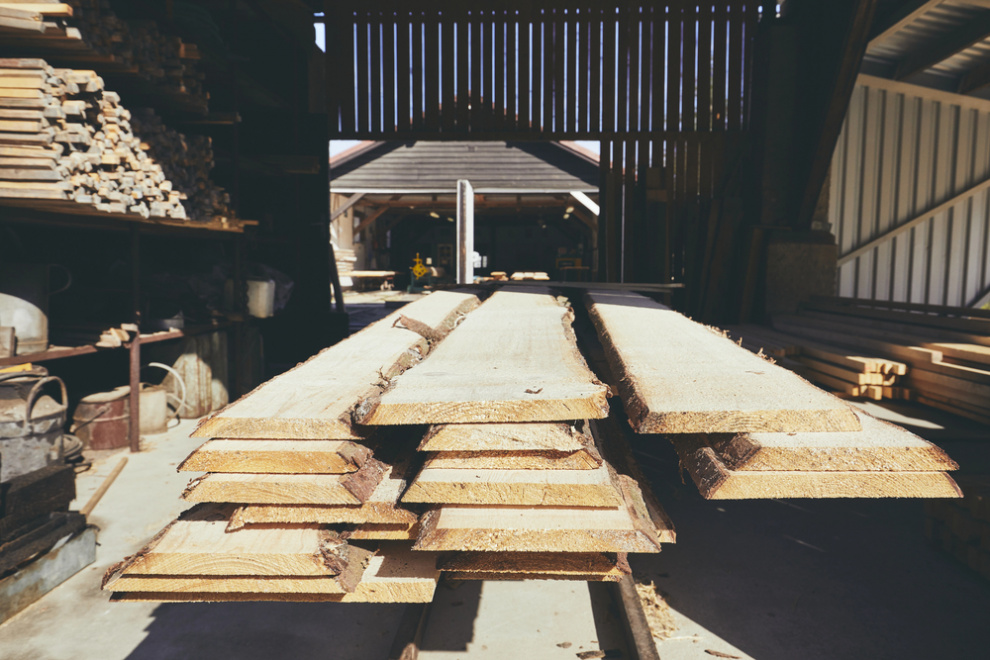
Higher duty rates through 2025 drive a drop in softwood lumber imports, but sawmill output is unchanged as residential construction demand weakens.
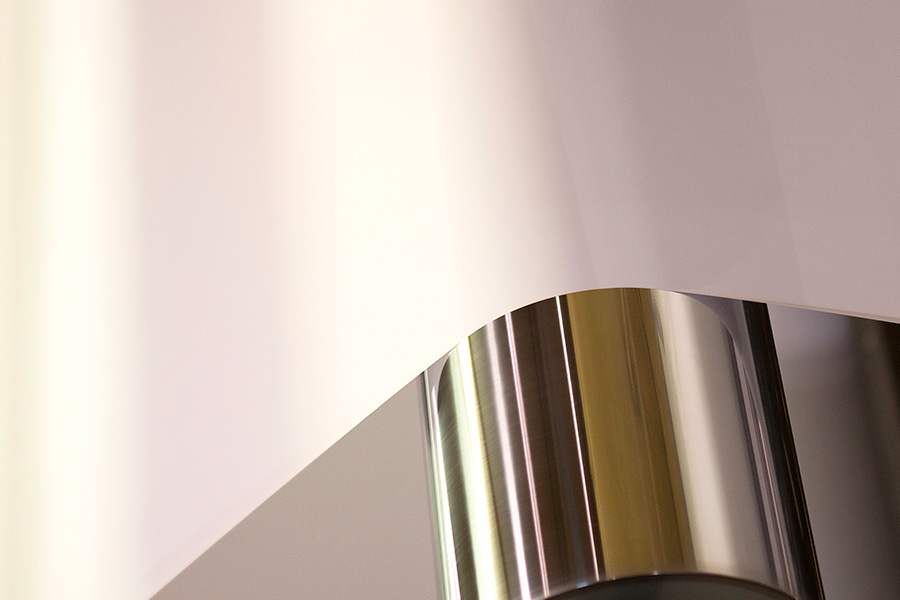
Producer cites rising production and raw material costs for the across-the-range increase.
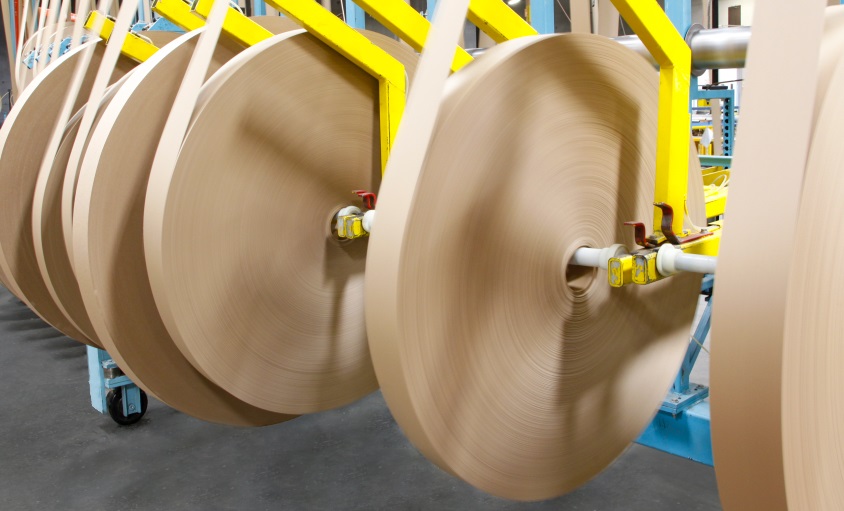
Tube and core products see minimum 7.5% increase following April 2026 effective dates.
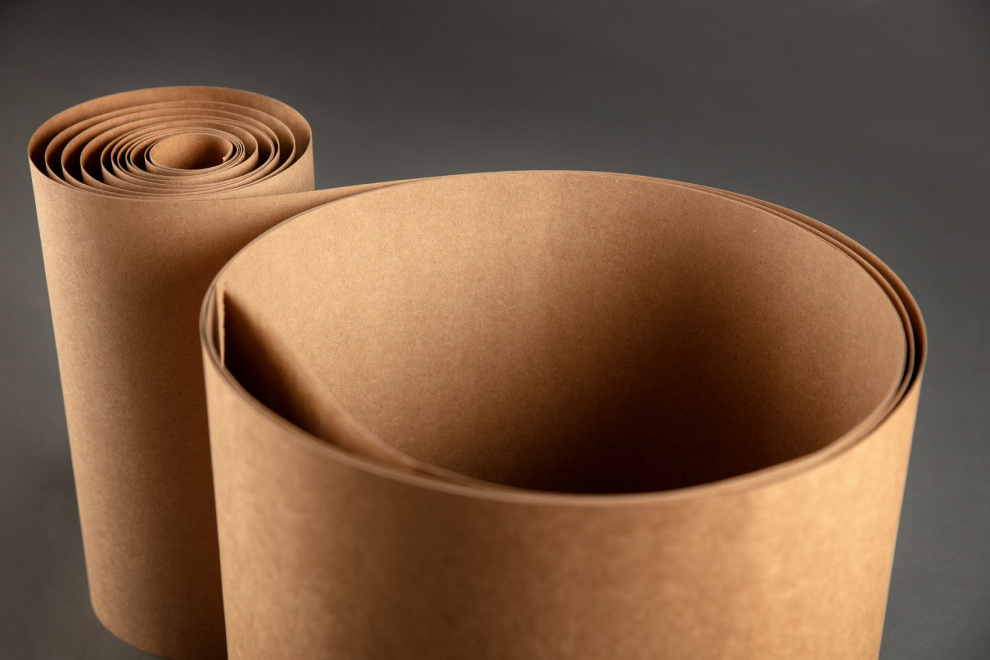
Price increase applies to all grades across Europe from 1 April 2026.
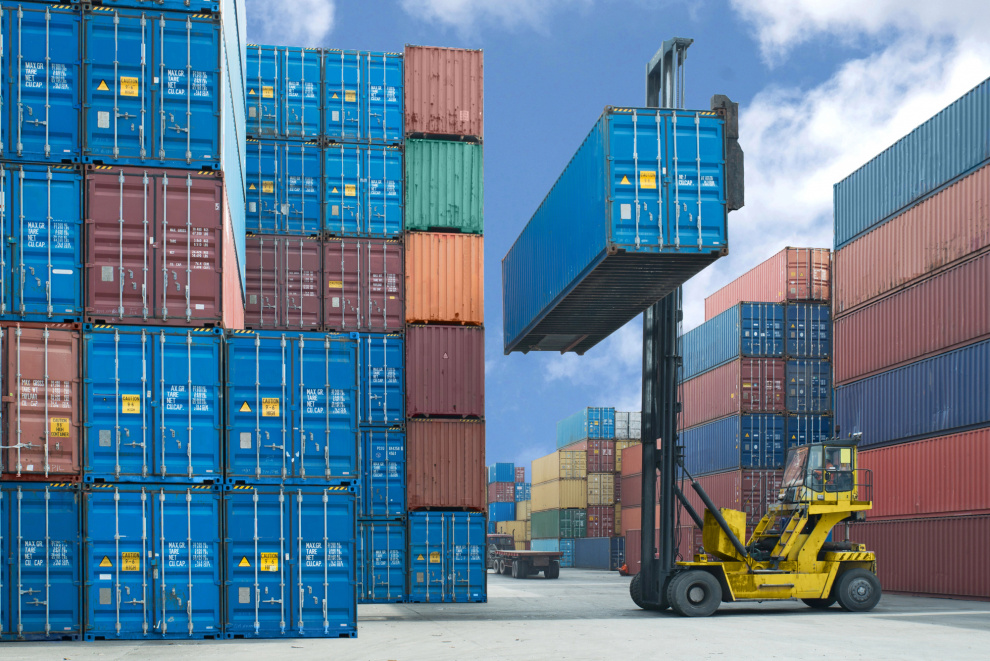
Section 301 probes could hit dozens of countries as temporary 10% tariffs expire in mid-July.

Worldwide increase effective 1 April 2026 follows rising costs for pulp, chemicals and freight.