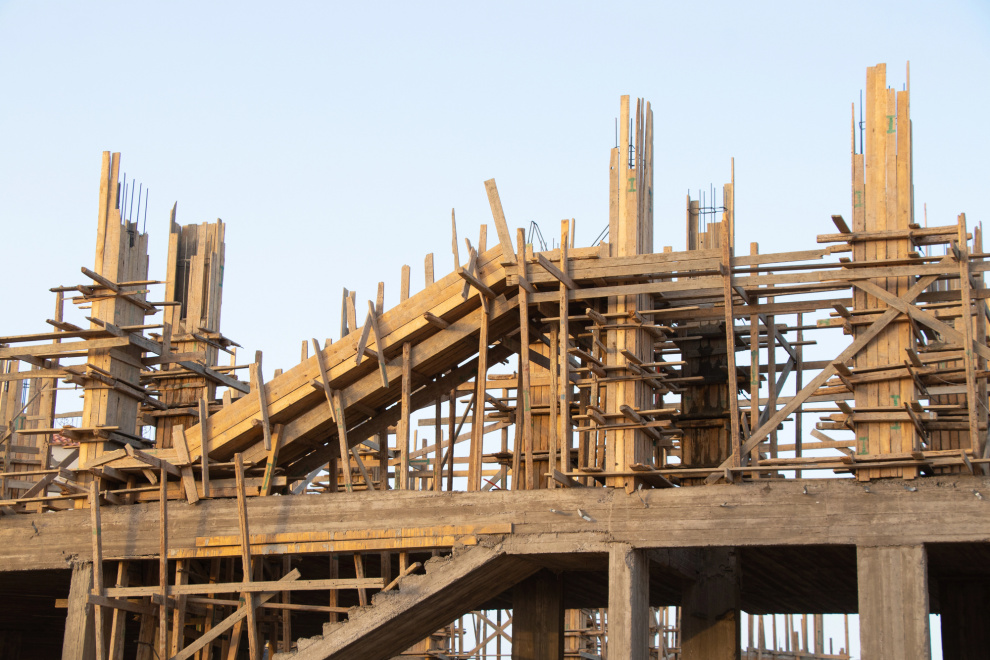
High financing costs, construction-input prices and currency weakness are expected to limit new procurement.
High financing costs, construction-input prices and currency weakness are expected to limit new procurement.
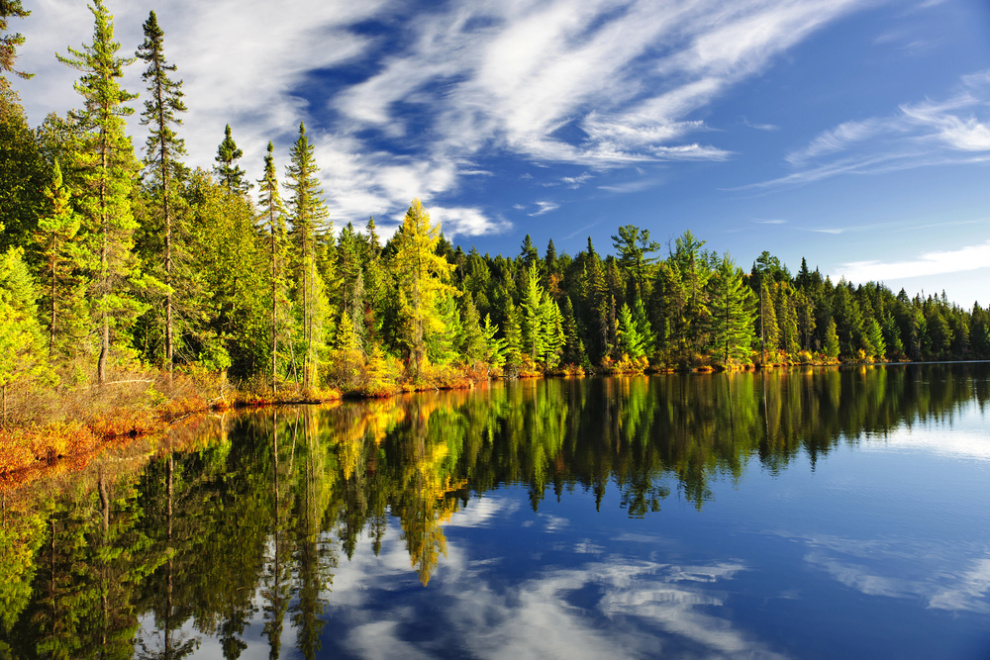
The plan targets mill operations, regulatory changes, and new markets for Ontario wood products.
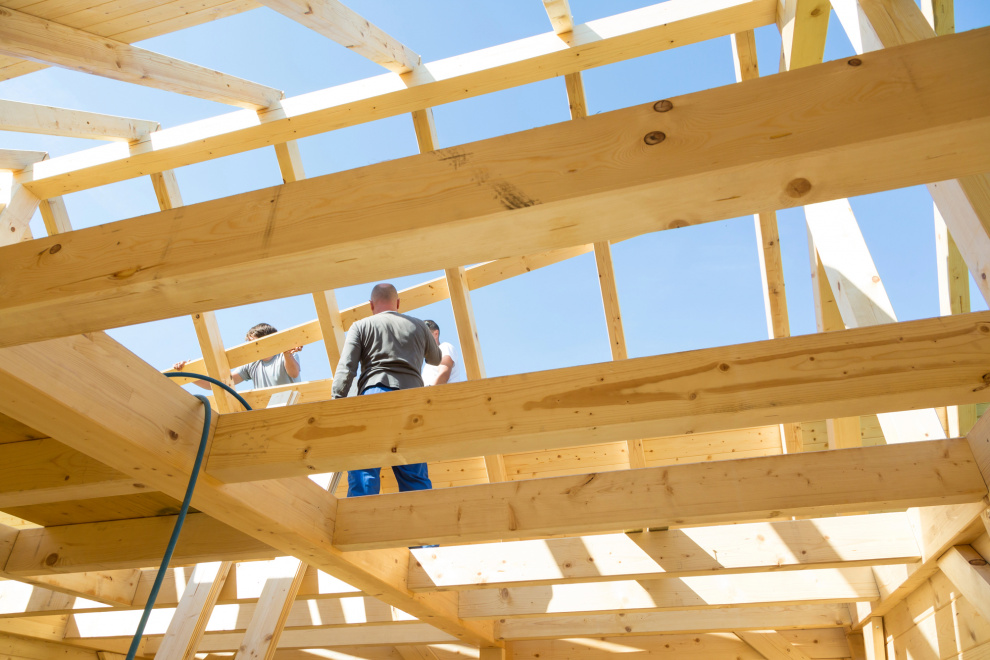
The builder cited affordability concerns and competitive conditions, and said it adjusted incentives, sales pace and production while working down spec inventory.
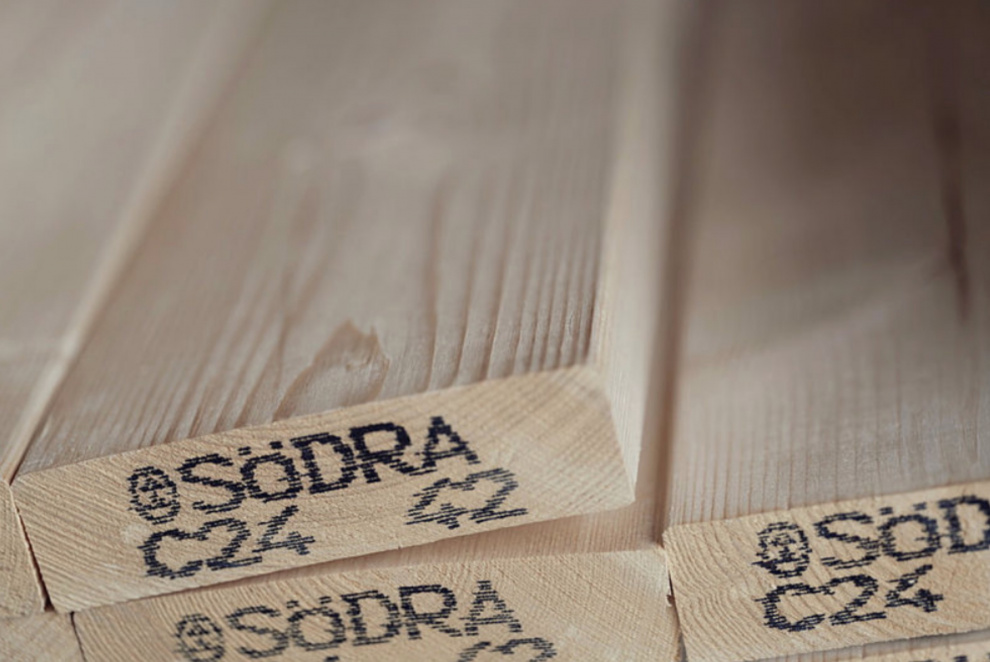
The forestry group cites higher logistics and input costs, a stronger krona and uneven pricing between wood supply and finished products, while pointing to small pulp-price gains late in the quarter.
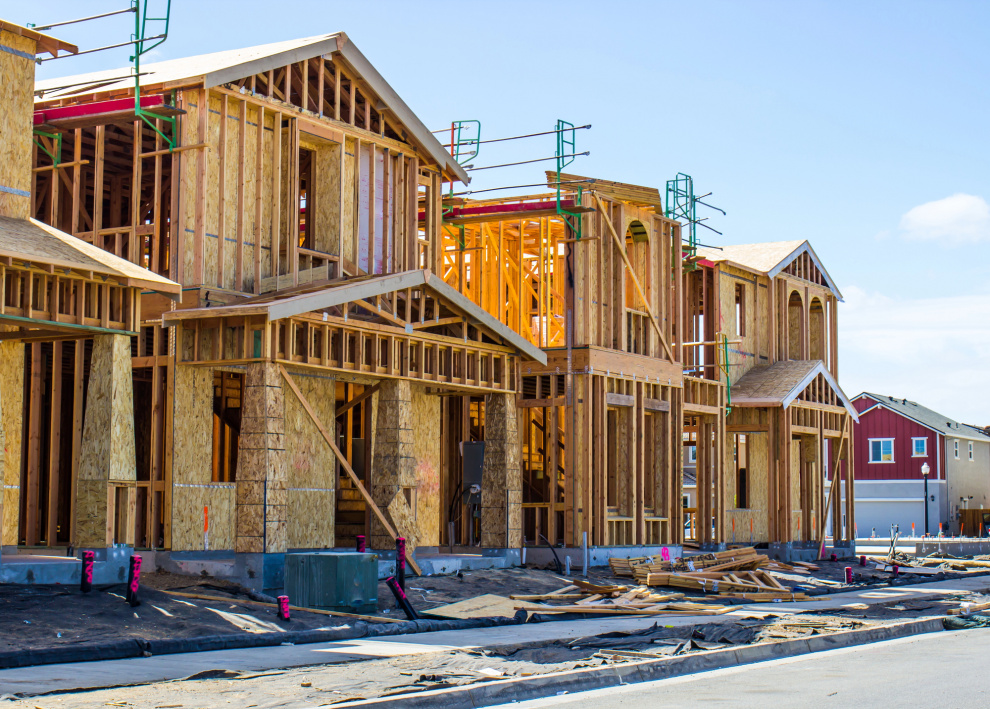
Affordability limits and cautious buyers keep incentives elevated as orders rise and the builder reduces unsold completed inventory.
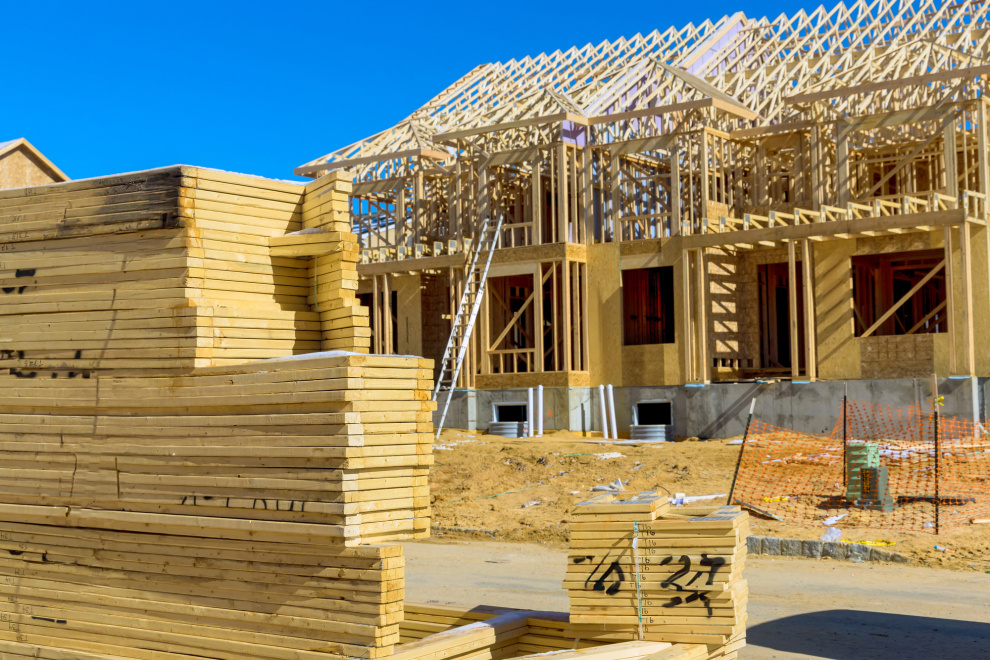
New estimates show lumber demand is more sensitive to housing starts than to GDP per capita or prices, and the revised setup produces lower long-run demand.
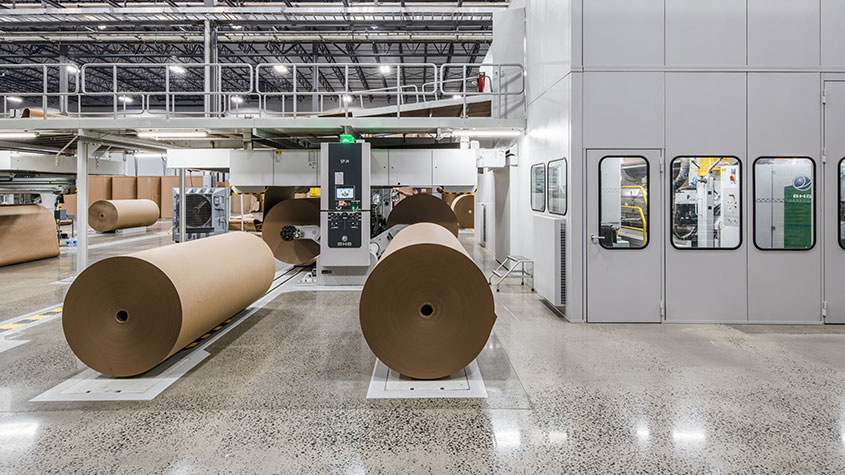
Lower consumer confidence and spending reduce packaging volumes, while transportation and fuel surcharge volatility increase operating costs.

Company leverages 2 million tonnes of annual biomass management as it develops 42 biomethane projects across Iberian Peninsula.
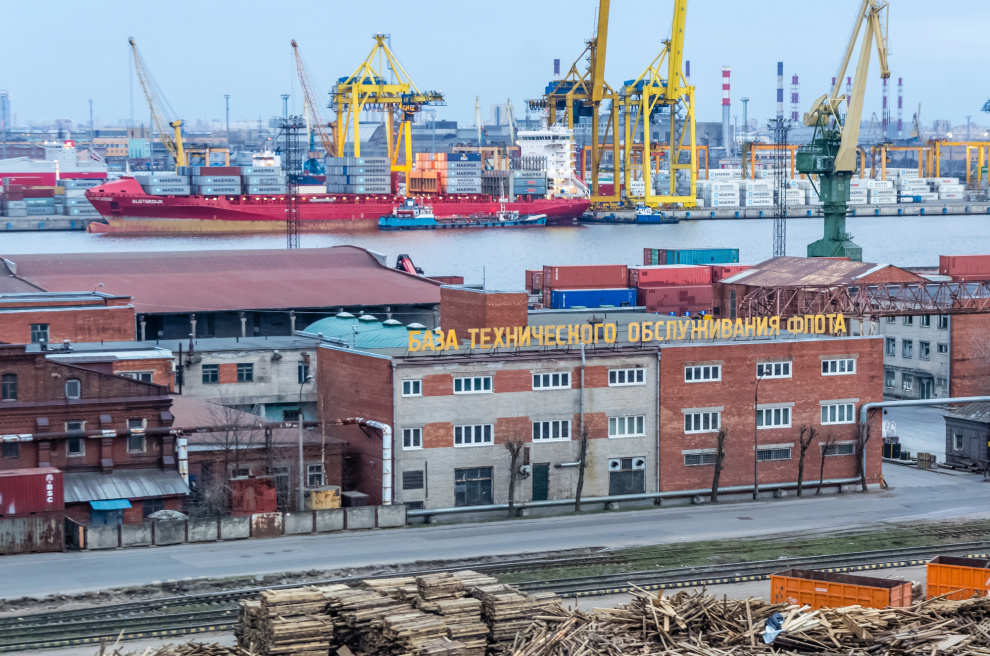
Industry groups seek a three-year bankruptcy moratorium as losses top 15 billion rubles.
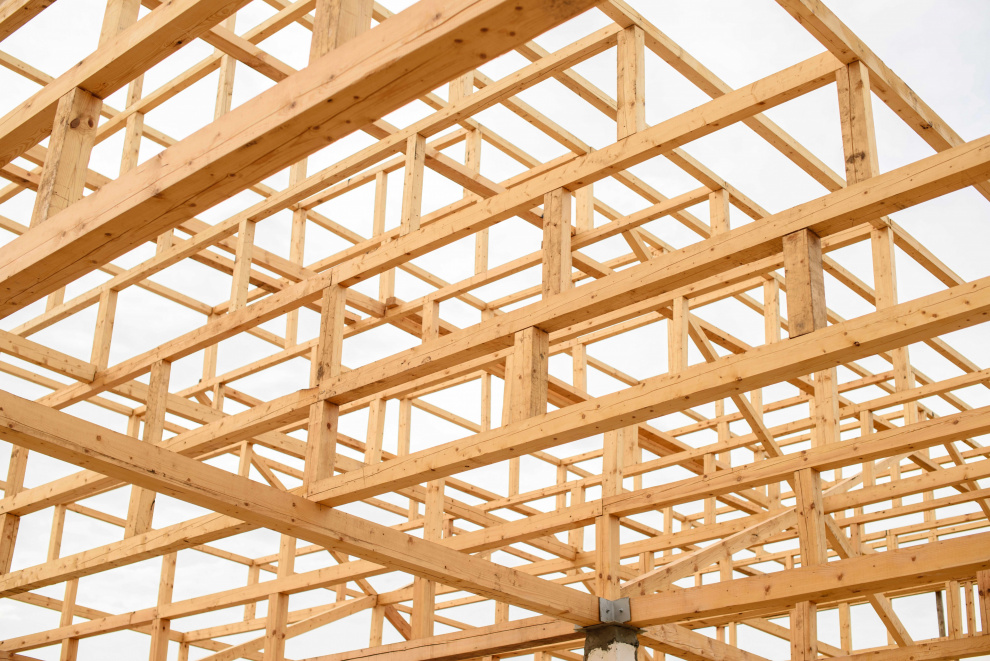
Forecast growth is led by infrastructure spending, higher premises investment and a gradual housing-start rebound.
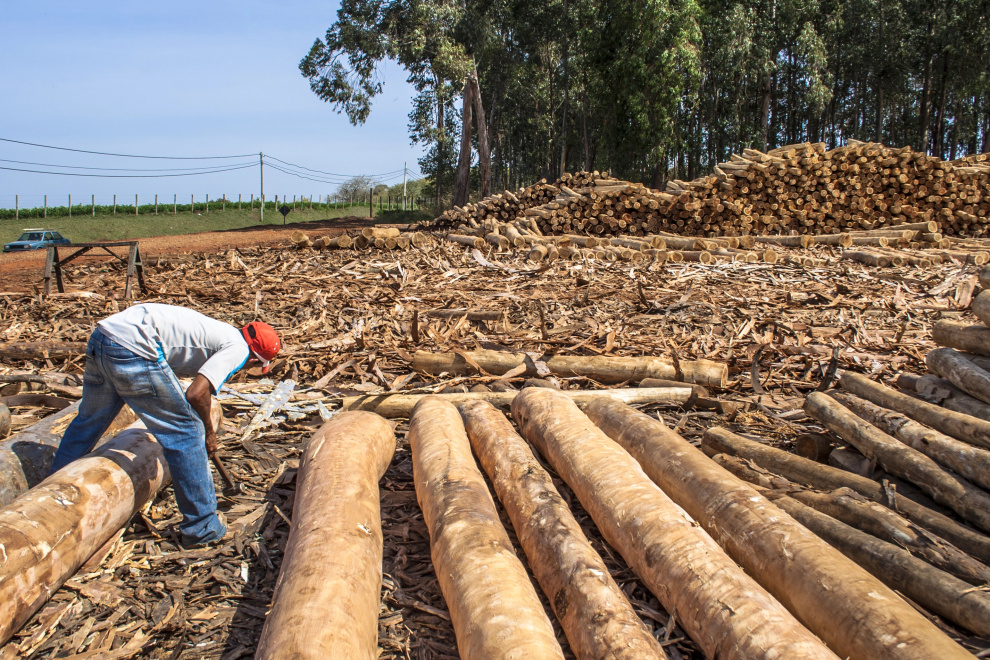
Buyer market growth also raises trade probability by 1.68%, confirming demand as the main market driver.
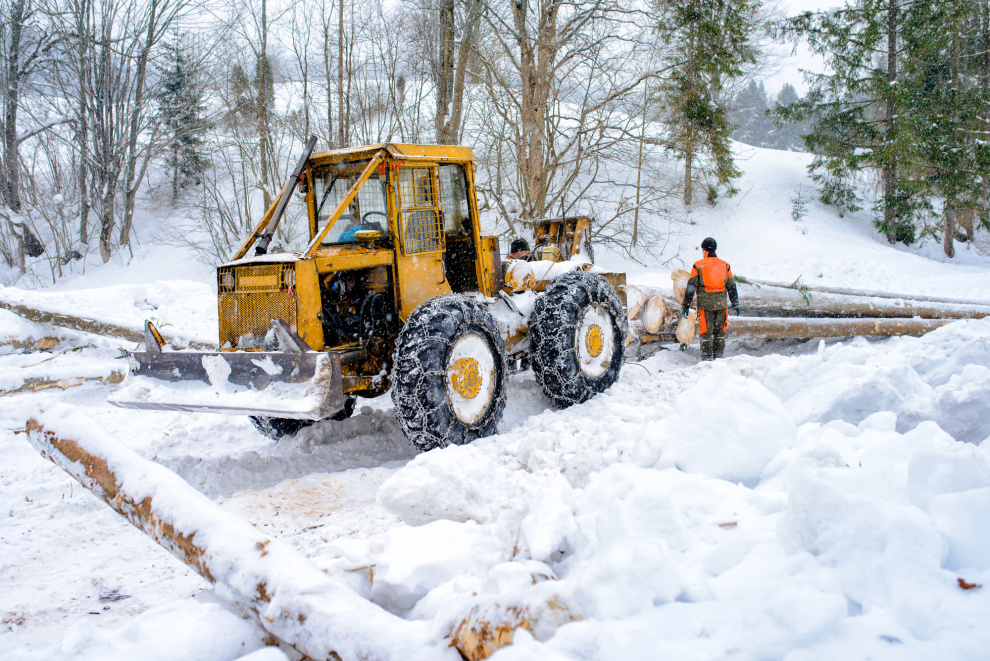
Lease recalculations add back charges for 2024–2025 as exports weaken and borrowing costs stay high.
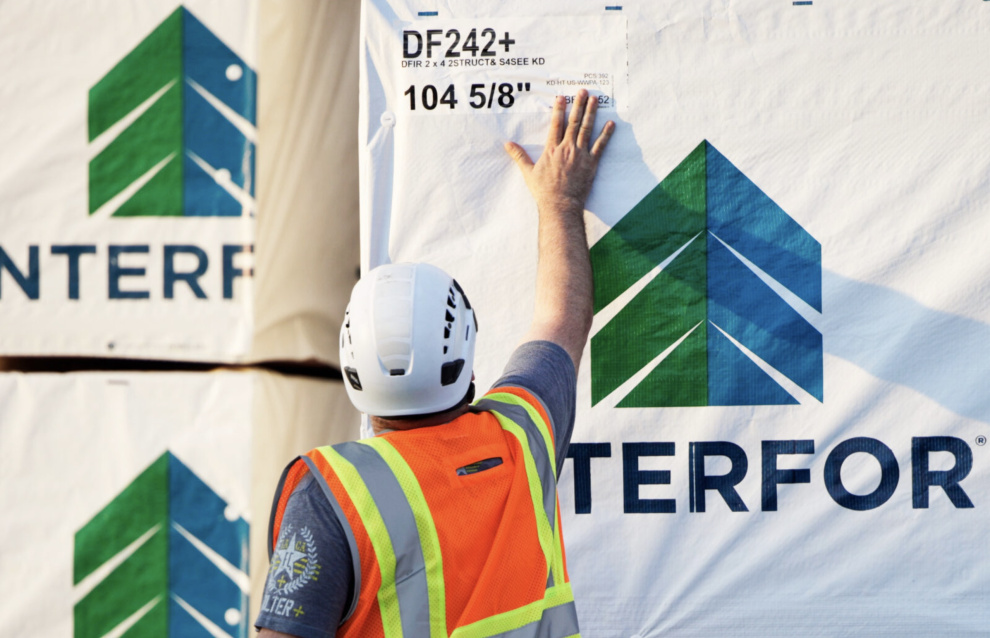
Weak lumber markets and higher U.S. trade costs pressure results, and the company expects early 2026 prices to fluctuate with winter weather and industry-wide lumber production curtailments.
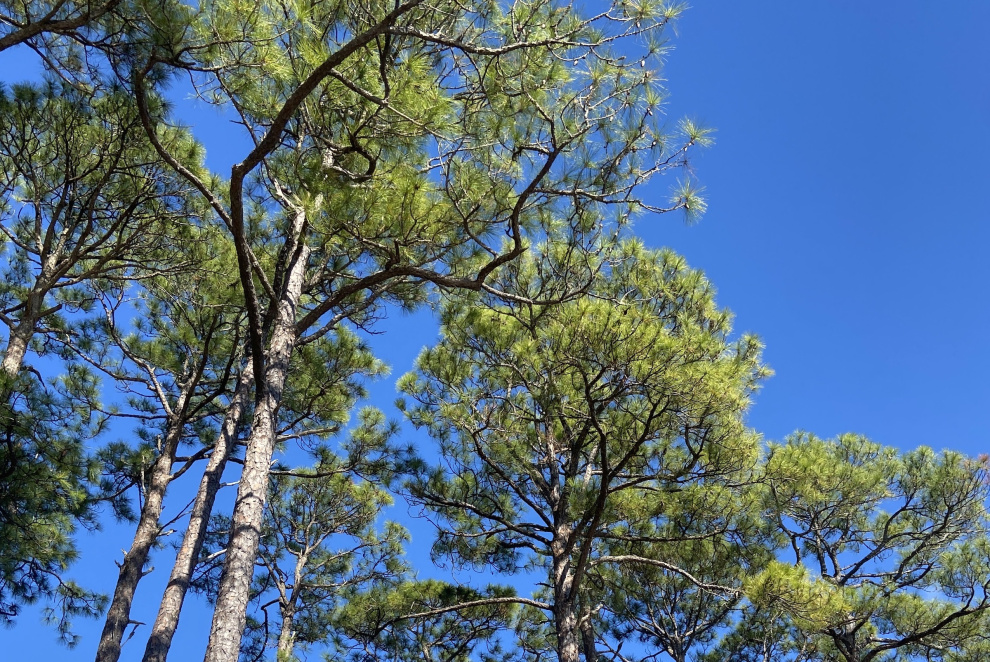
Company says stronger Real Estate results offset weak timber markets, with Southern pulpwood pricing down and Pacific Northwest harvest volumes lower year over year.
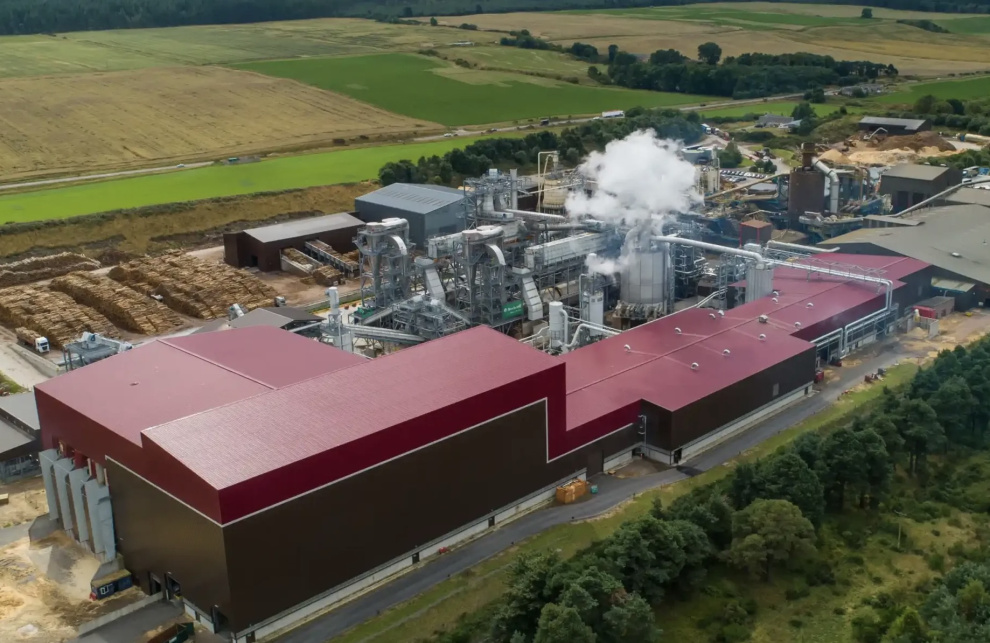
West Fraser says lumber duties, OSB and southern yellow pine oversupply, and housing affordability constraints keep wood building products markets pressured. It expects another year of modest demand in 2026 and reiterates lumber and OSB shipment targets.
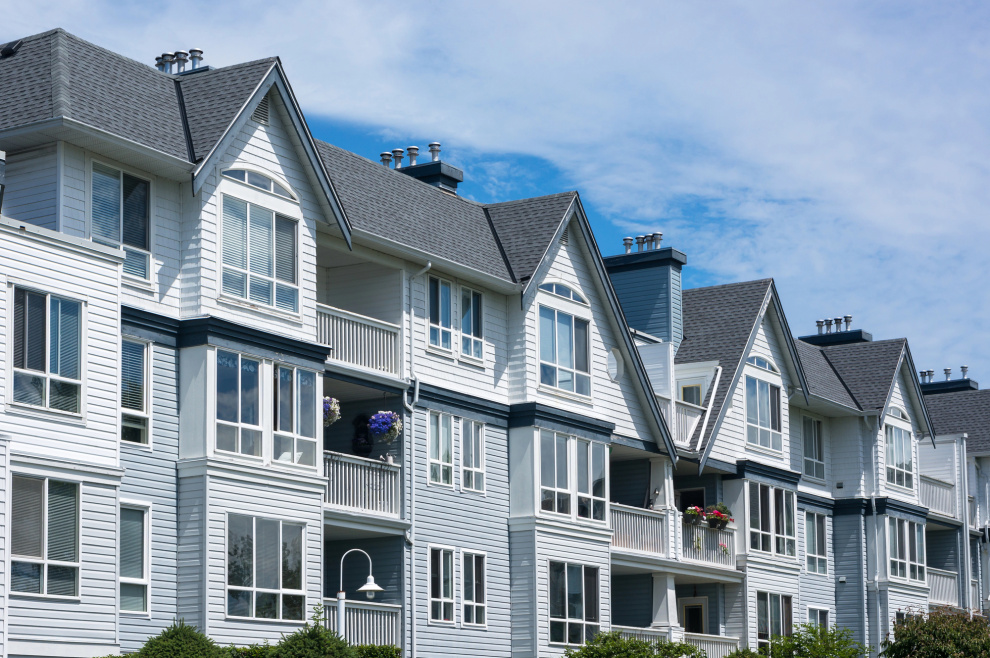
Multi-unit approvals rise 8.5% from November while single-family falls 6.2%.
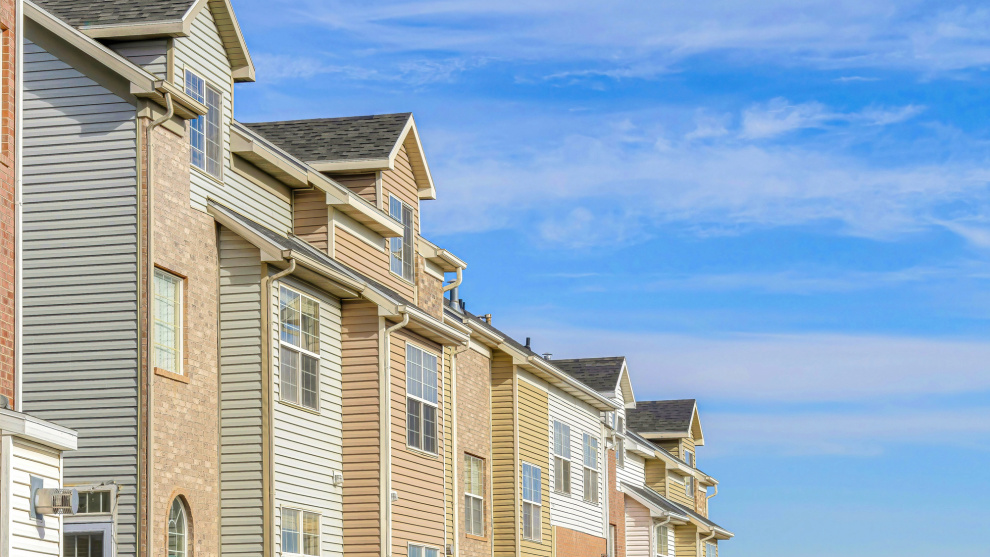
Rental vacancies improve slightly in 2024, but owner vacancy rates remain below 1% nationwide.
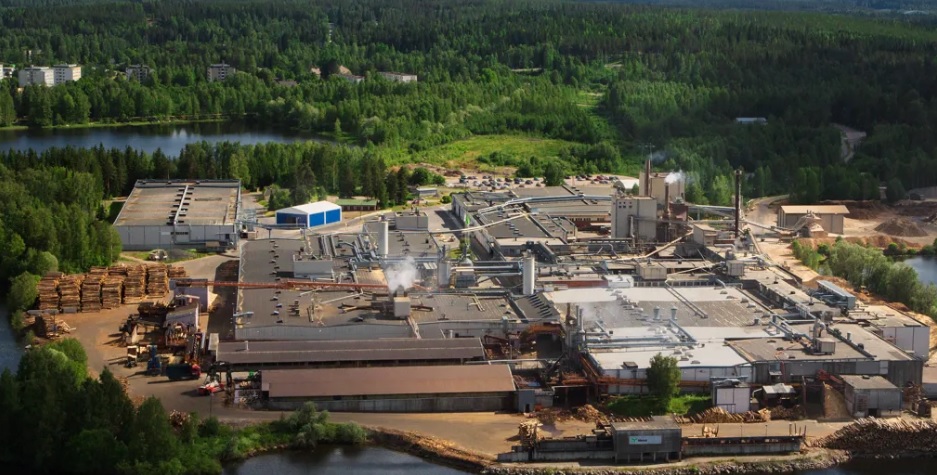
Company expects 2026 recovery driven by cost savings and lower wood prices.

Pulp deliveries rise 4% while paper deliveries decline and electricity output edges lower.

Renewable energy development and technology infrastructure are expected to expand non-timber revenue opportunities for timberland owners in 2026.