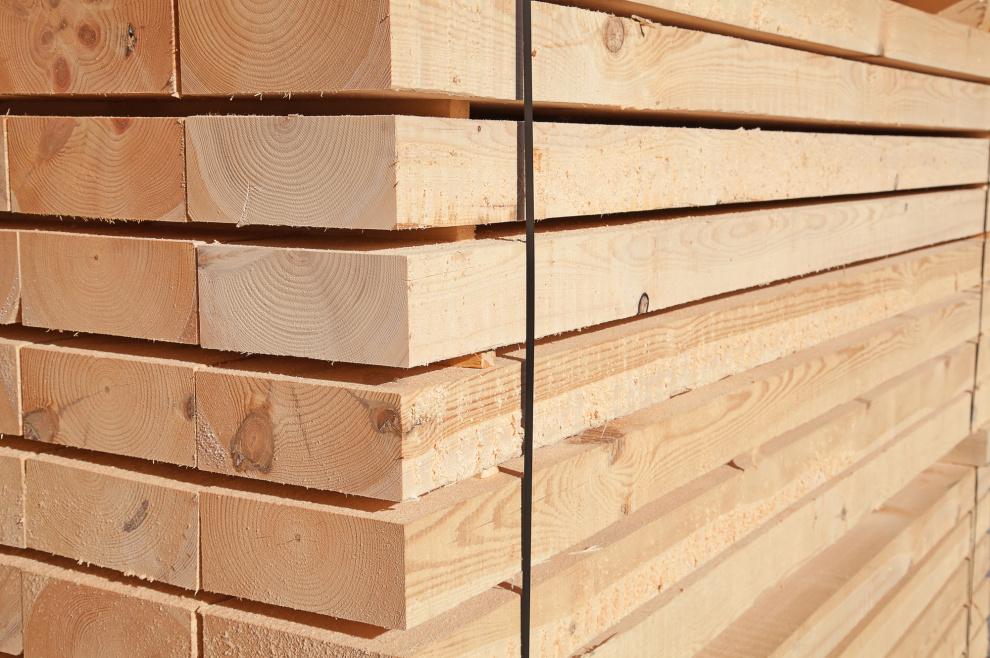
The reviews cover Canadian softwood lumber and uncoated paper from Brazil and Portugal, and list the companies subject to review.
The reviews cover Canadian softwood lumber and uncoated paper from Brazil and Portugal, and list the companies subject to review.
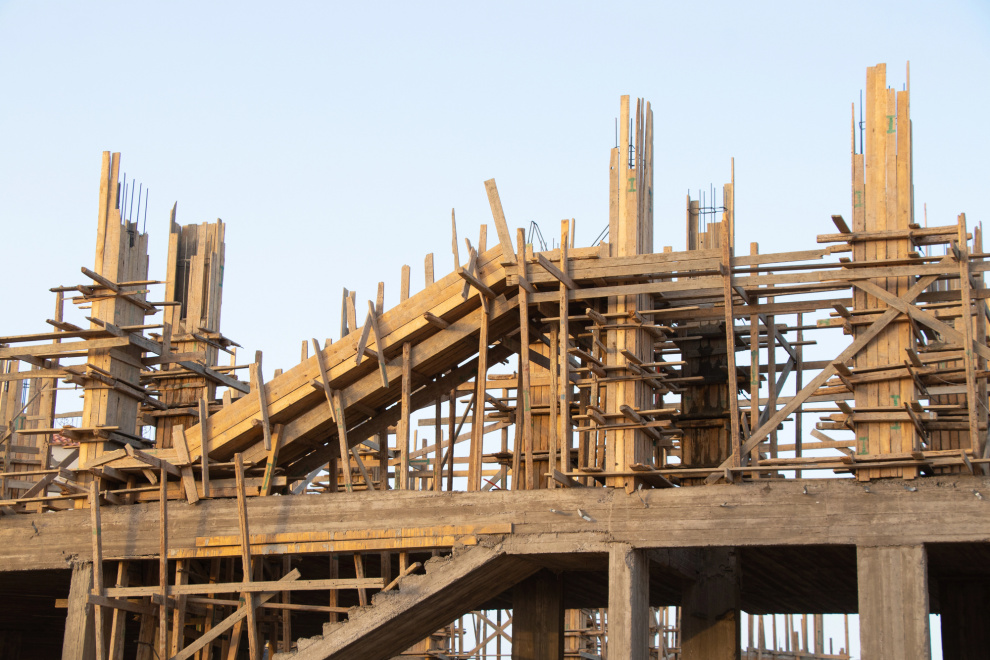
High financing costs, construction-input prices and currency weakness are expected to limit new procurement.
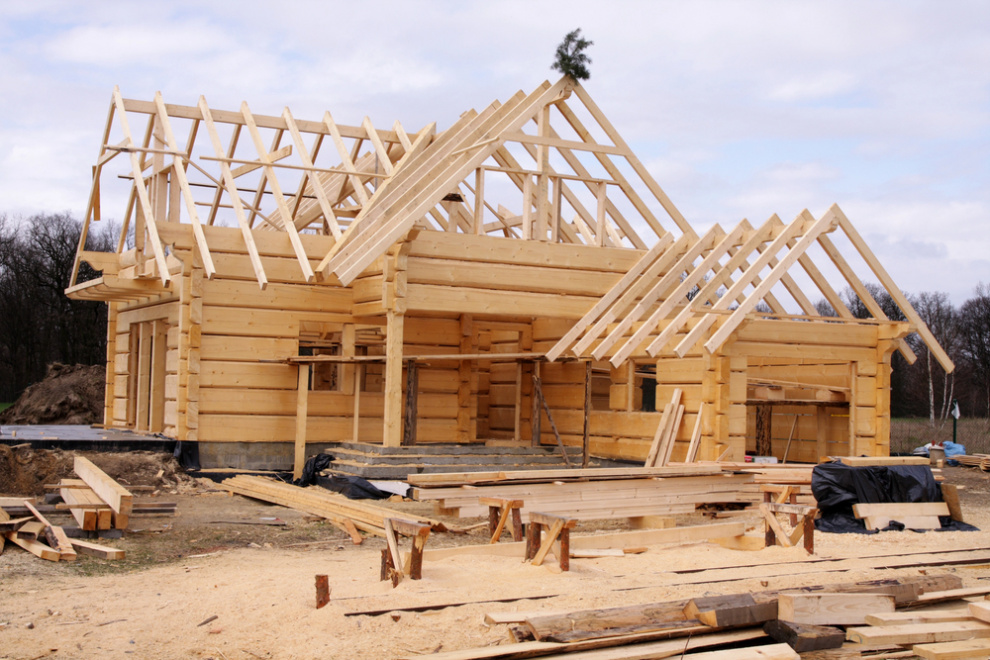
Wooden housing starts decrease 26.9% while monthly figures rise from February levels.
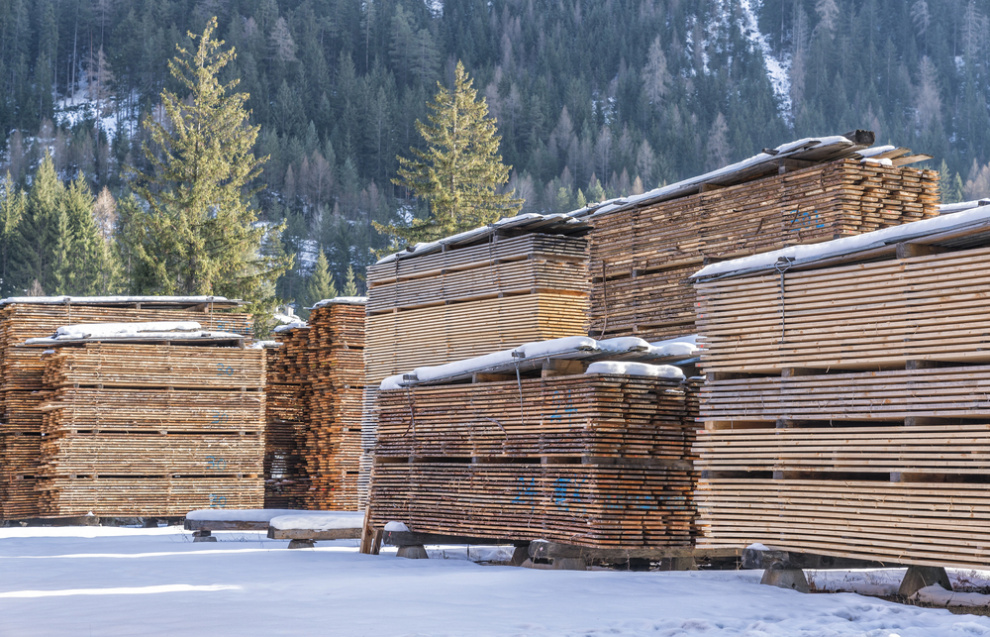
Mortgage rates above 6% and tariff uncertainty shape 2026 operating plans and input-cost expectations.
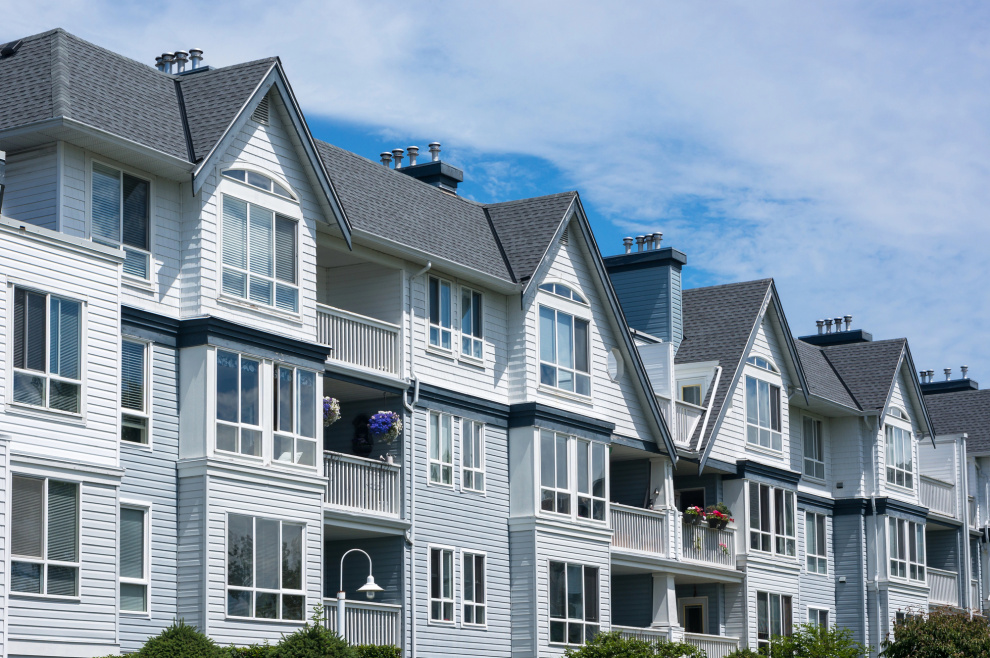
More than half of tracked metros post annual price declines, with Denver the weakest.
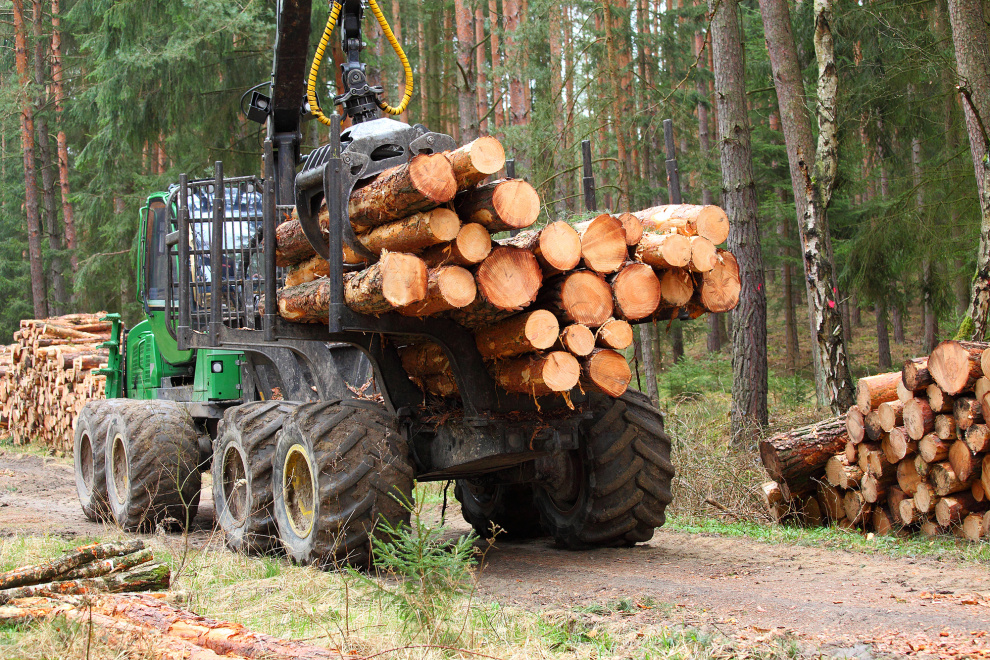
Finland consumes 78.9 million m3 of roundwood in 2025 Headline option 3: Finland forest industry roundwood use rises 6% in 2025 Subheading: Forest industry processing totalled 66.1 million m3, while energy use fell to 12.8 million m3.
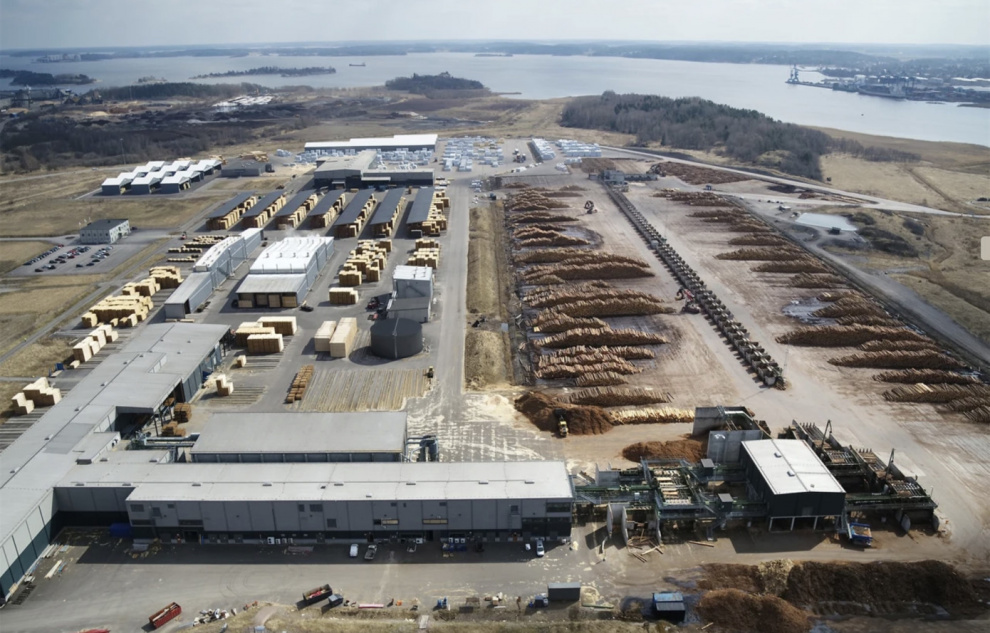
Significant overcapacity in the forest industry led to production curtailments that reduced demand for pulpwood, and pulpwood prices fell during the quarter. Log demand decreased, and log prices began to decline slightly from very high levels.
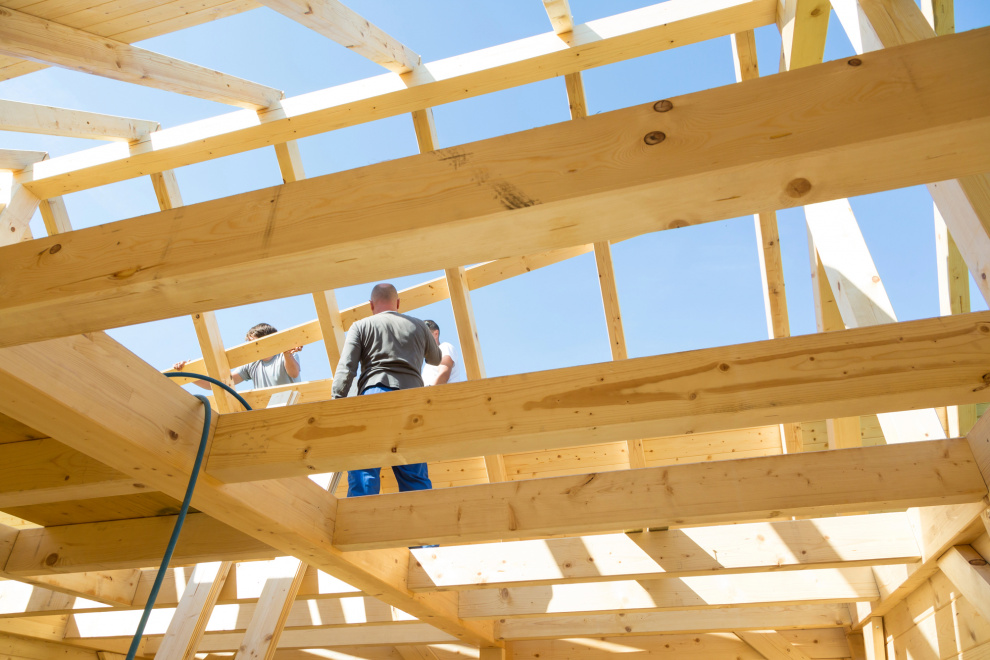
The builder cited affordability concerns and competitive conditions, and said it adjusted incentives, sales pace and production while working down spec inventory.
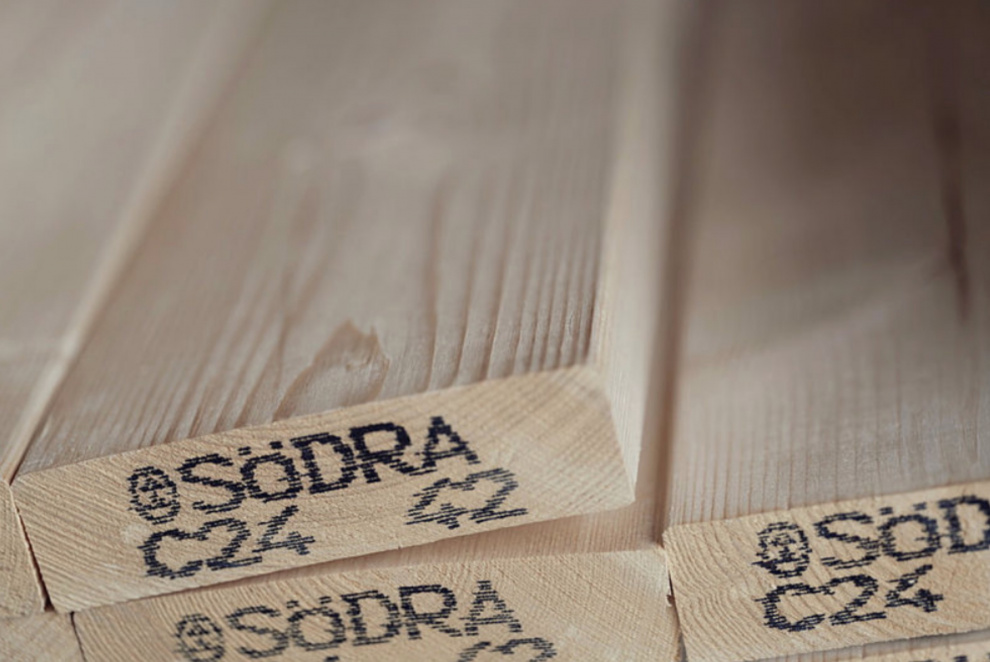
The forestry group cites higher logistics and input costs, a stronger krona and uneven pricing between wood supply and finished products, while pointing to small pulp-price gains late in the quarter.
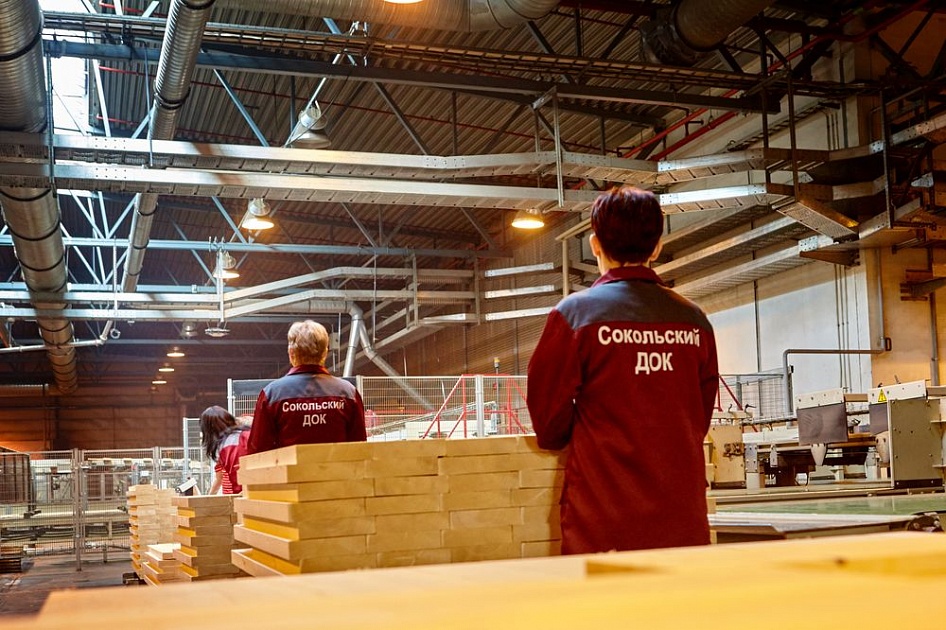
Weak lumber demand and price pressure in China, a stronger ruble, and high interest costs drove asset impairments, capacity curtailments, and lower fourth-quarter sales.
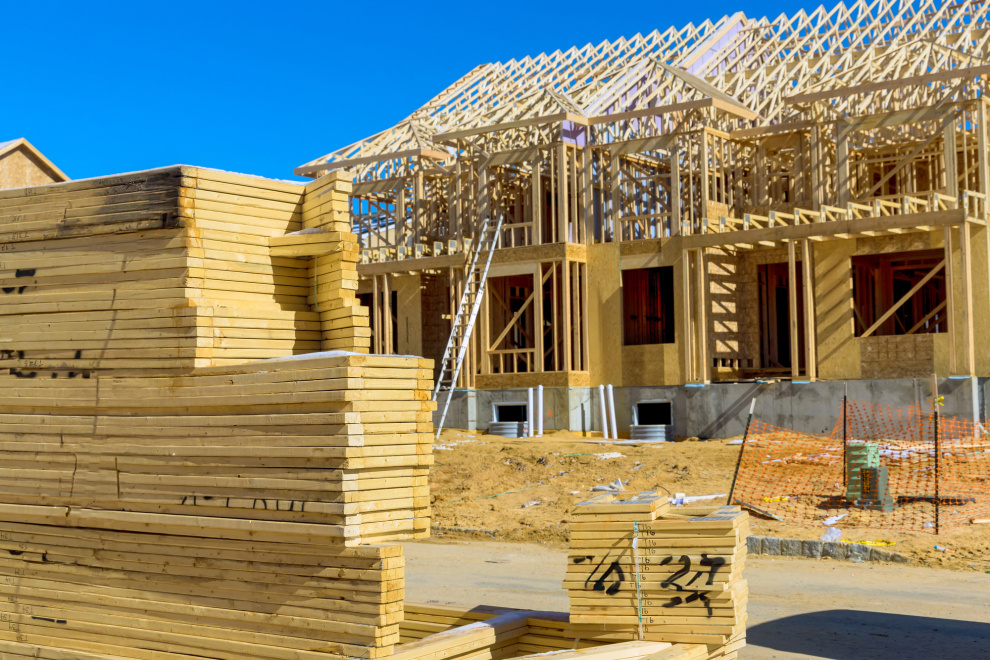
New estimates show lumber demand is more sensitive to housing starts than to GDP per capita or prices, and the revised setup produces lower long-run demand.
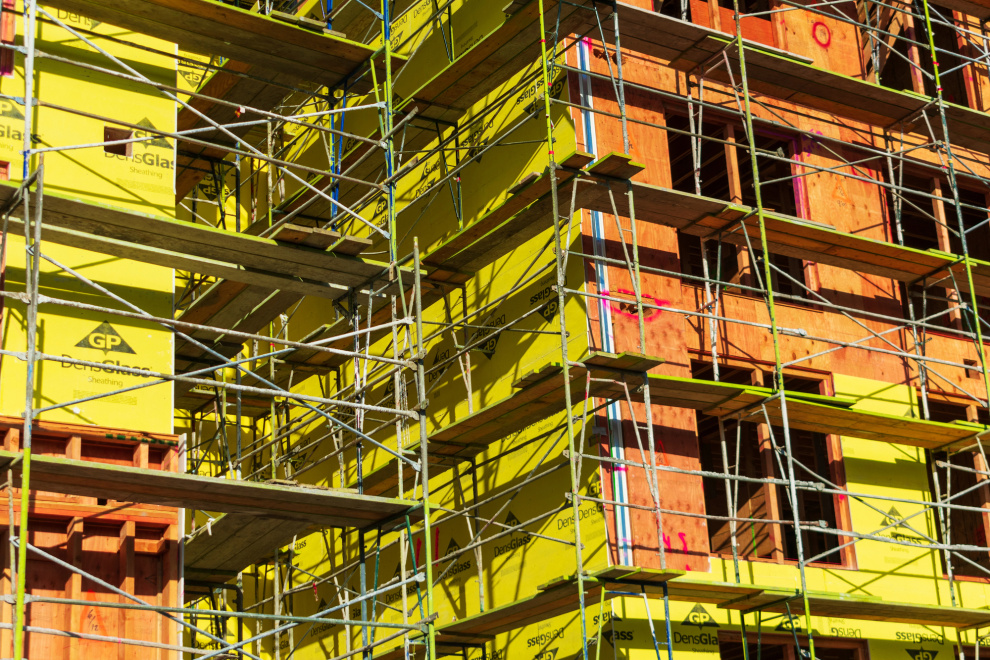
New construction increases 2.6-fold from February but remains 17% lower year-on-year.
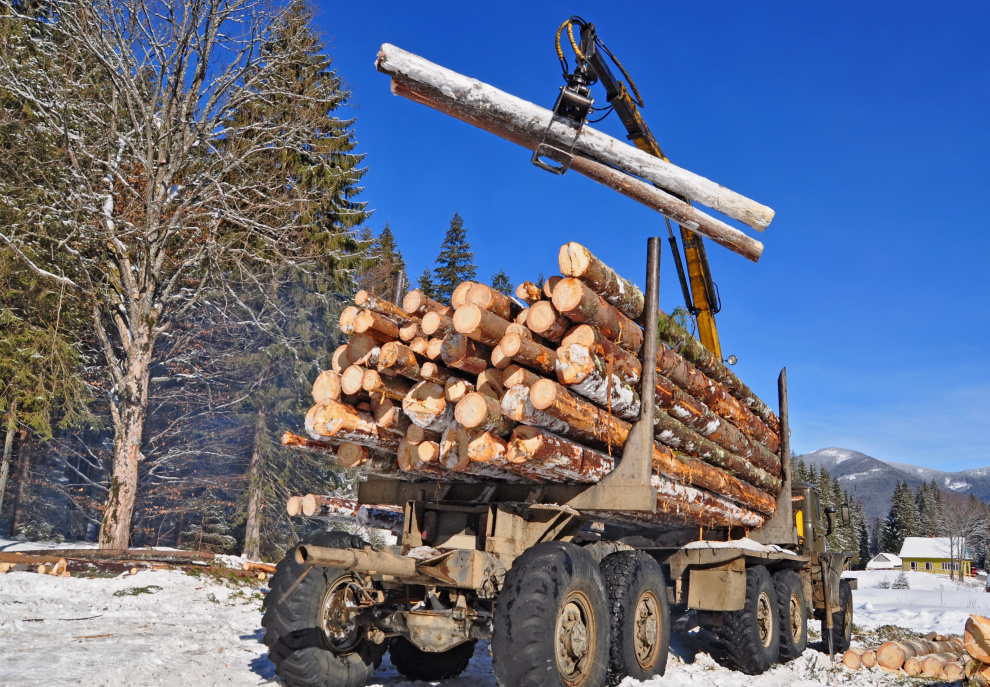
Standing sales prices for sawlogs and pulpwood increased, while industrial roundwood purchases from private forests remained below year-earlier and five-year levels.
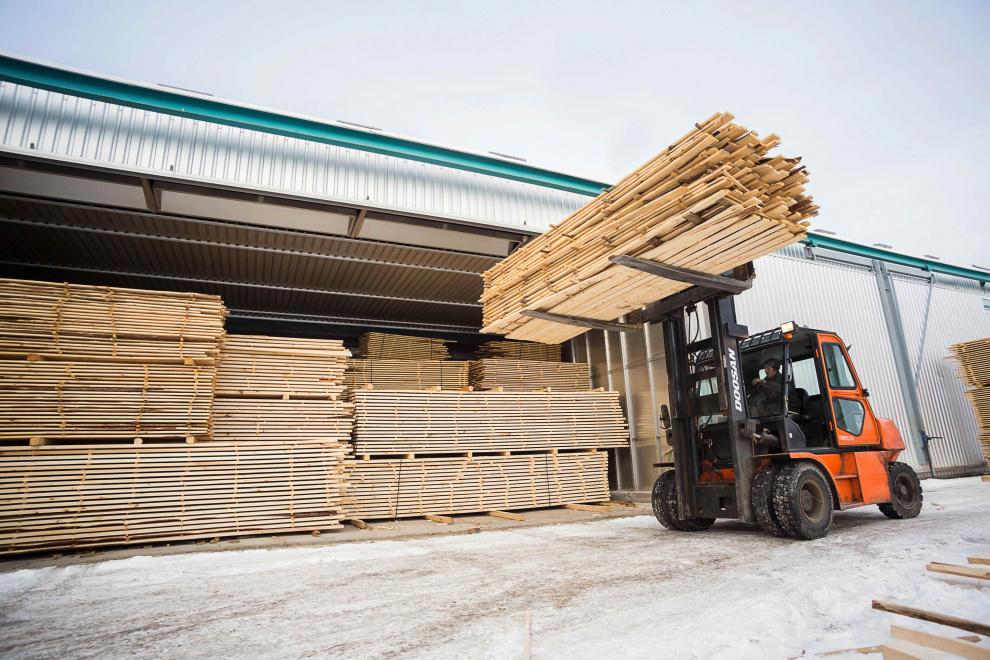
February sales declined 0.8%.

Volumes stay above last year’s level, while March sawlog and pulpwood prices fall from December.
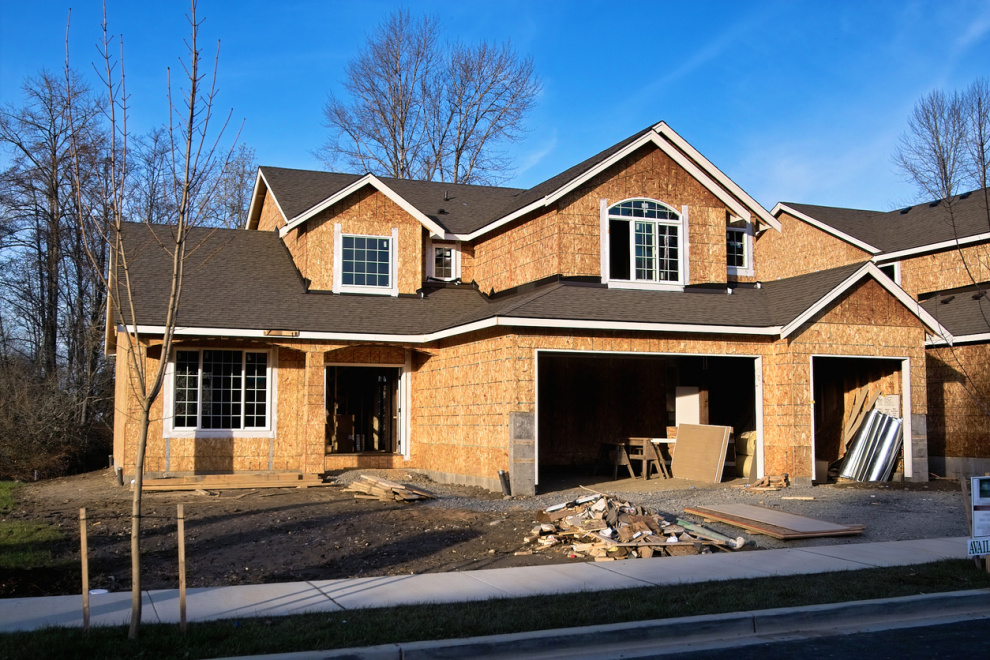
Sales run at a 3.98 million annual pace as inventory rises and the 2026 forecast is lowered.
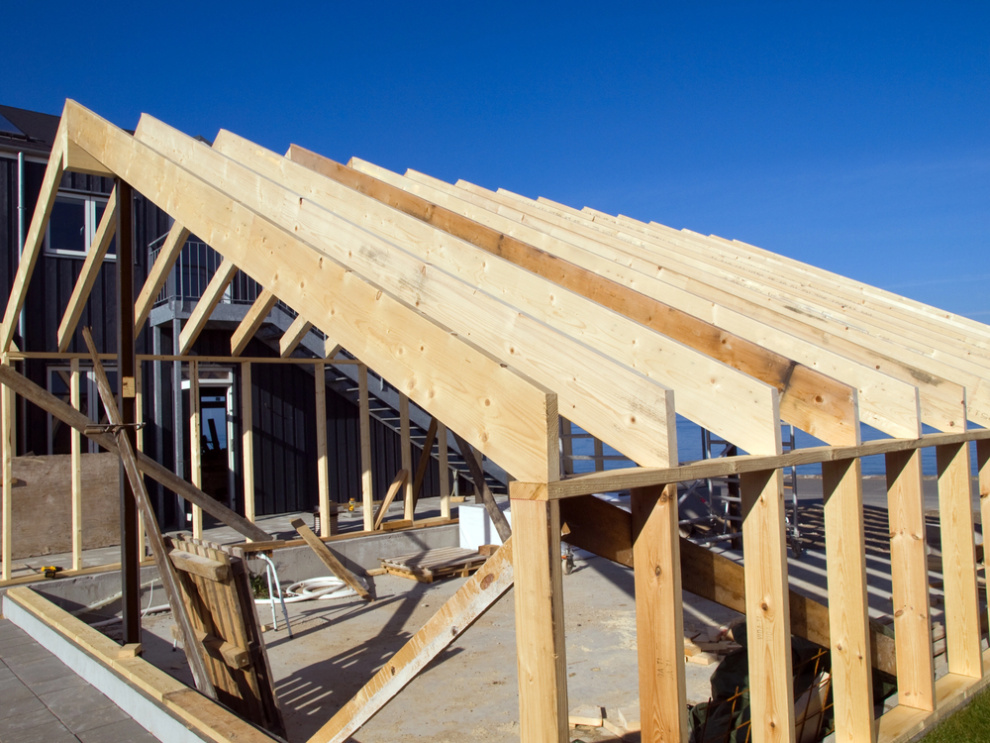
Residential permits reached $8.1 billion on gains in multi-unit projects, while total building permits fell 8.4% after a sharp drop in non-residential approvals.

Preliminary results cover 2024 and include partial rescissions for withdrawn requests and no-shipment firms.

The planned deal will add cabinets, flooring and distribution brands to the company’s home services business, with closing scheduled after its annual shareholder meeting in May.
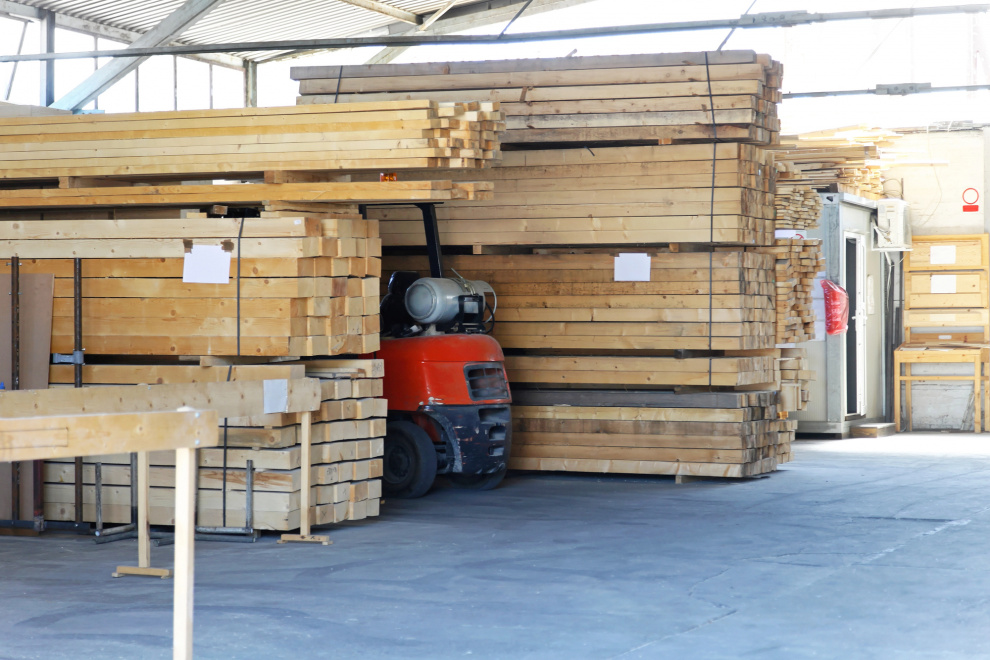
Kiln-dried cedar prices rise in some sizes, while kiln-dried cypress prices fall year over year in one key size and stud lumber posts gains.