
Index drops 5% month-over-month from $552.
Index drops 5% month-over-month from $552.
The reviews cover Canadian softwood lumber and uncoated paper from Brazil and Portugal, and list the companies subject to review.
The pause will cut supply by about 25 million board feet as log inventories, fibre availability, and seasonal breakup affect the BC Interior.
High financing costs, construction-input prices and currency weakness are expected to limit new procurement.
The company points to weaker housing affordability in Ontario and British Columbia and expects its Clinton, Ontario automation site to start operating in July 2026.
Mortgage rates above 6% and tariff uncertainty shape 2026 operating plans and input-cost expectations.
The plan targets mill operations, regulatory changes, and new markets for Ontario wood products.
Construction is expected to be completed by January 2027.
High industry inventories and cold weather limit production, while the company enters Phase 2 of its internal efficiency work.
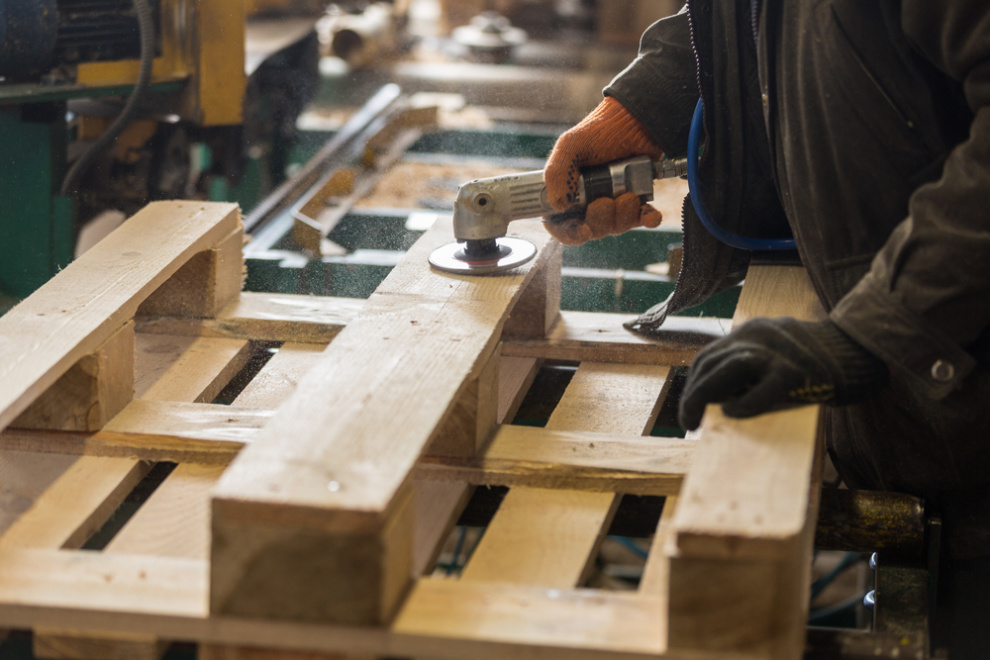
Price for lumber imported to Japan increased slightly 0.4%.
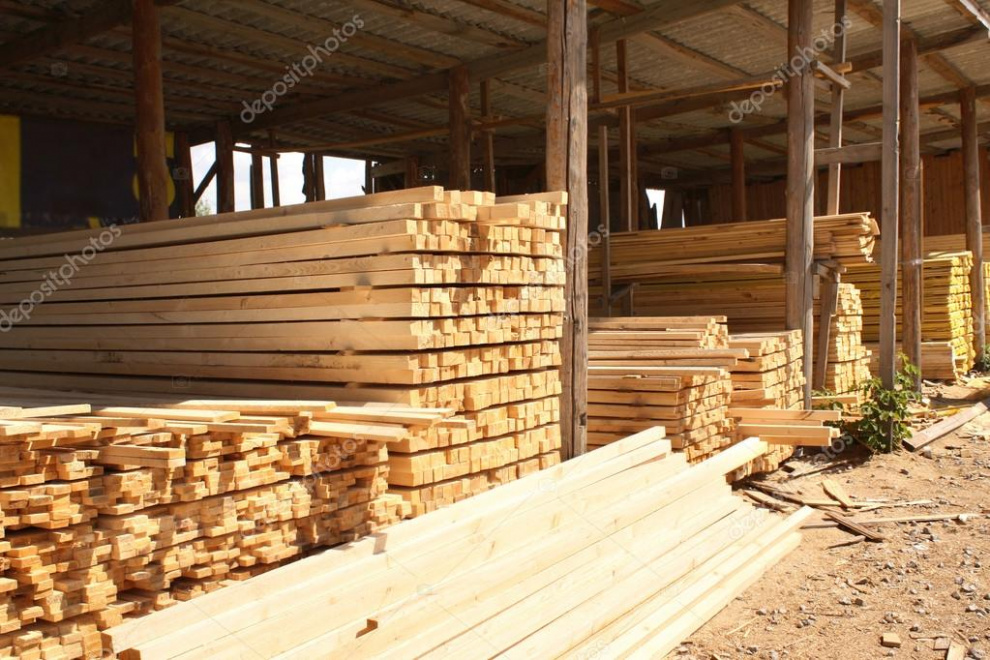
Price for softwood lumber imported to Japan dipped 1.8%.
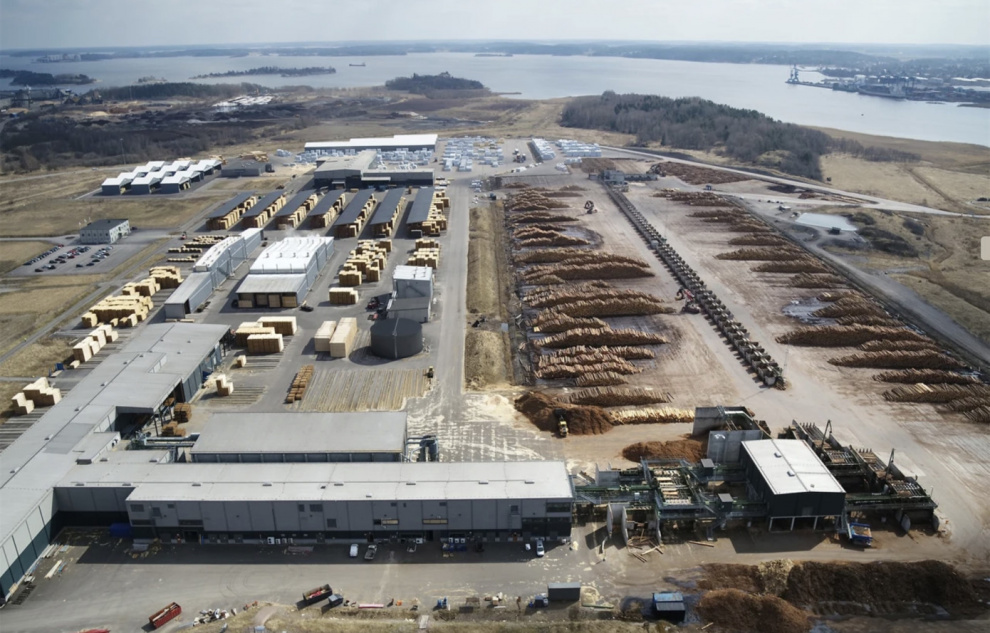
Significant overcapacity in the forest industry led to production curtailments that reduced demand for pulpwood, and pulpwood prices fell during the quarter. Log demand decreased, and log prices began to decline slightly from very high levels.
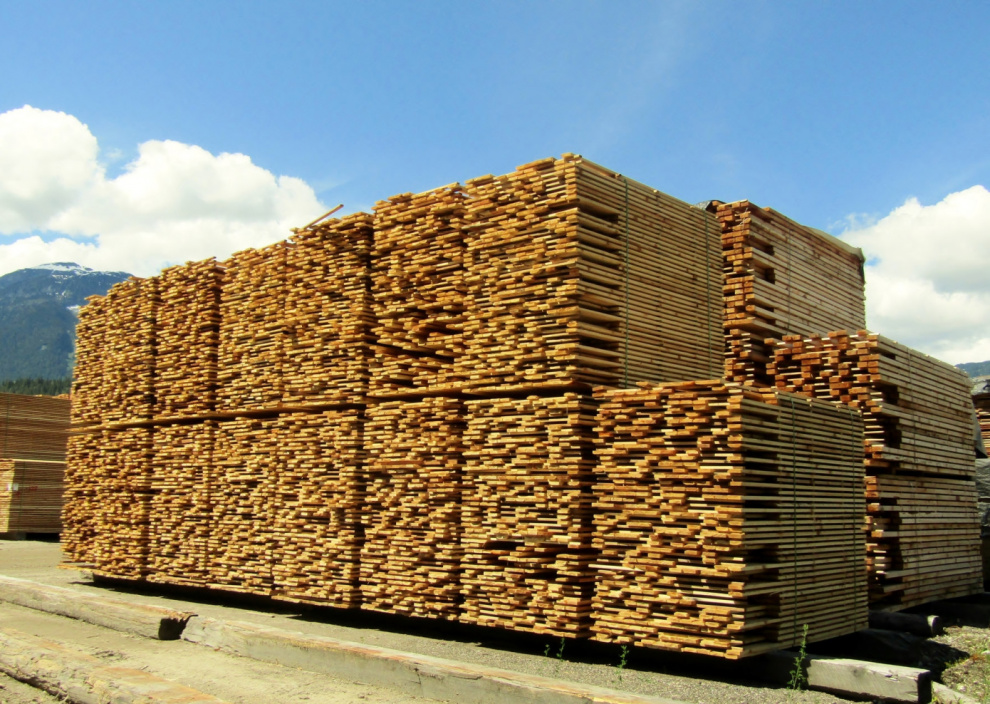
Benchmark rises 1% month-over-month from US$518 as weighted species composite remains flat weekly.
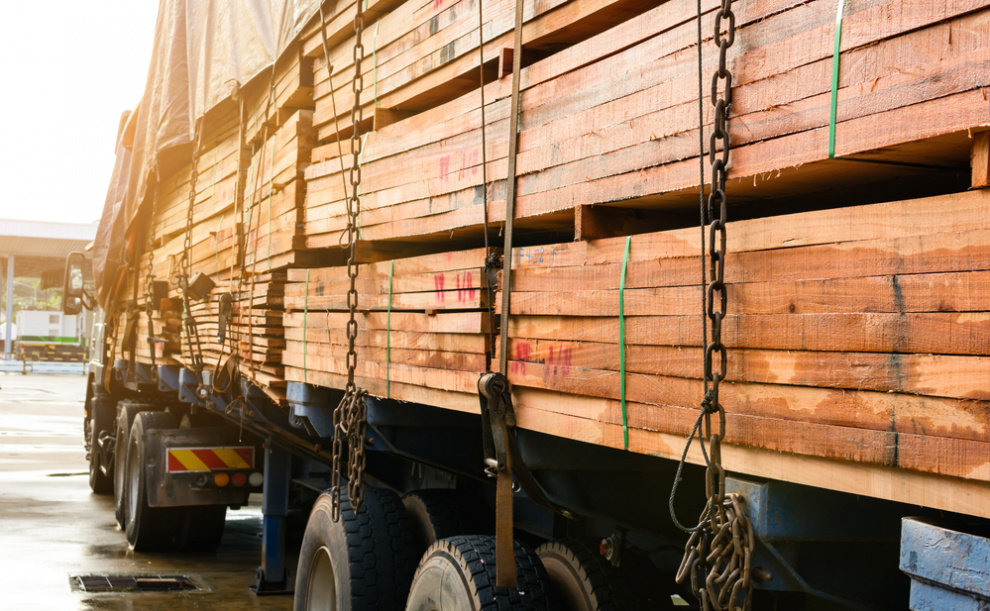
Price for lumber imported to Egypt slipped 1.6%.
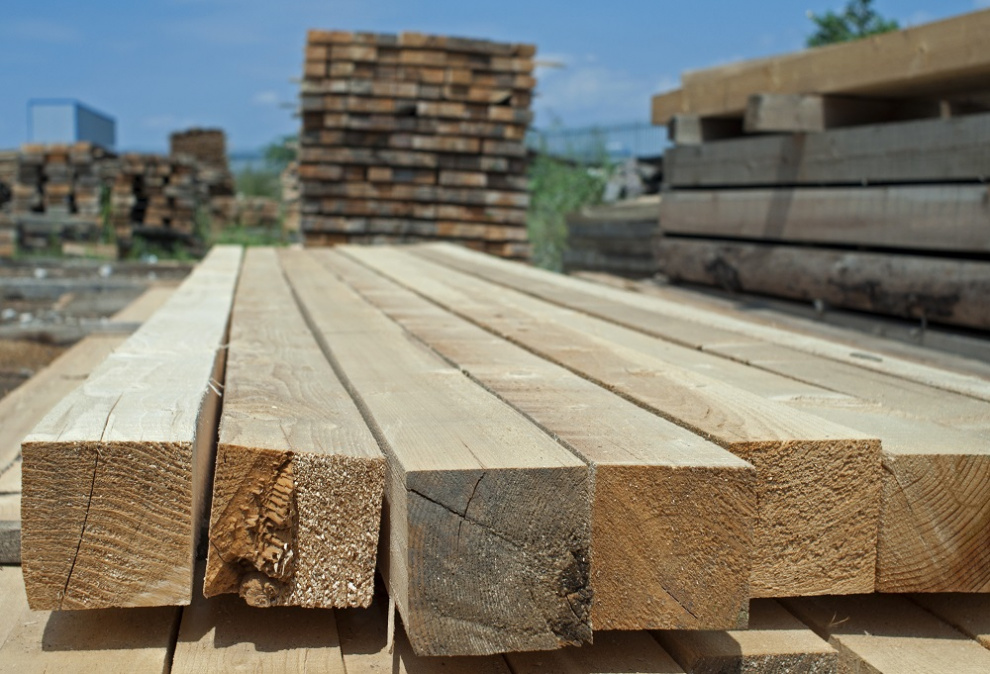
Compared with March 2025, production was down 0.9%.
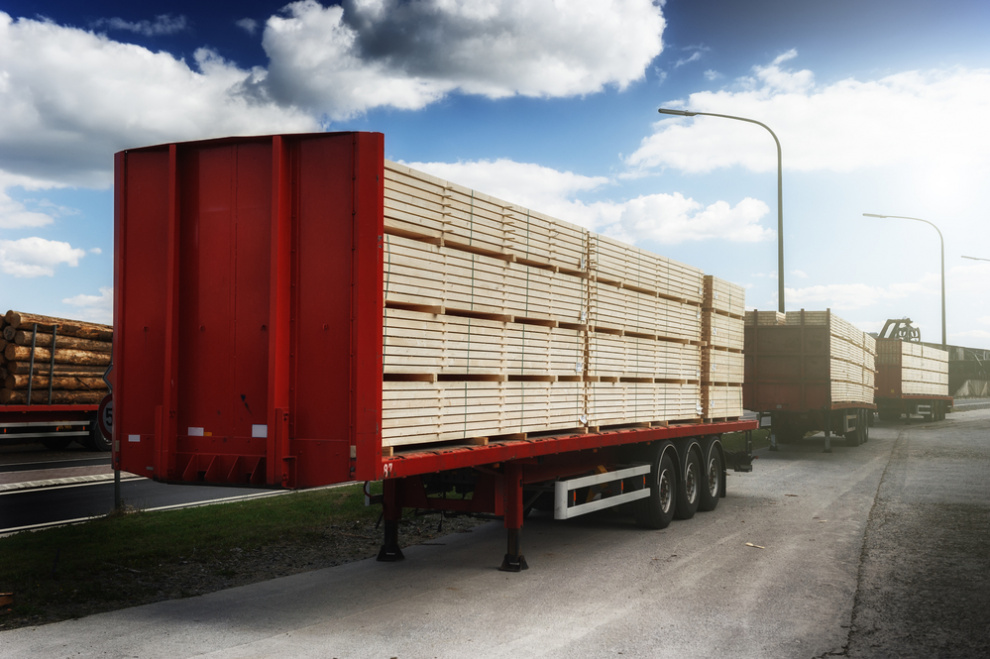
Compared with the previous month, production was up 25%.
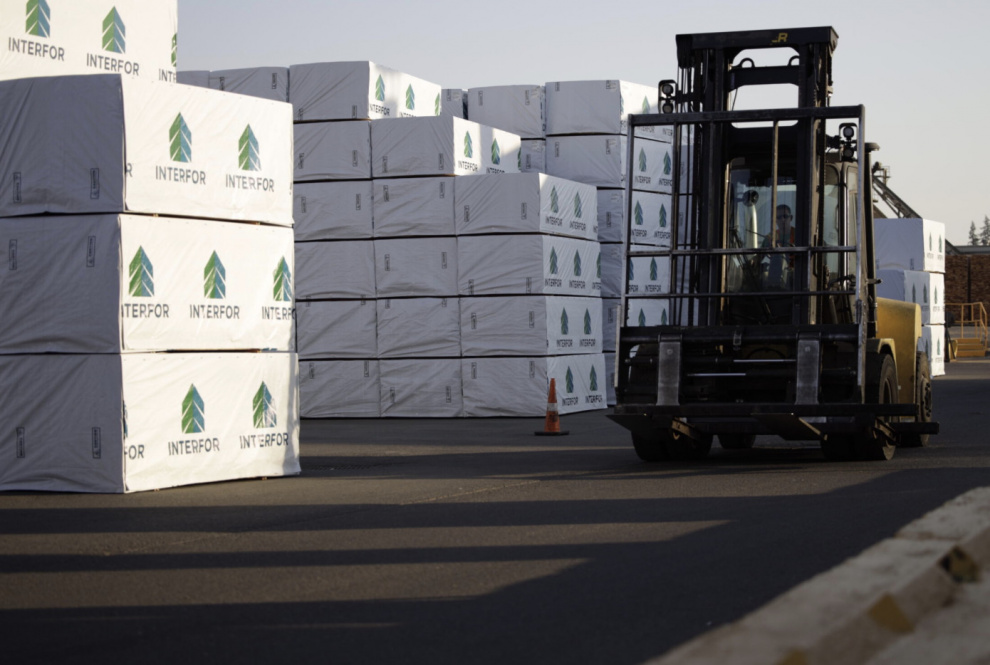
Nairn Centre will run briefly to process log inventory, with the sawmill expected to operate into early to mid-June and the planer into late June.

Combined company exceeds $18 billion in revenue as insulation leader joins roofing and lumber portfolio.
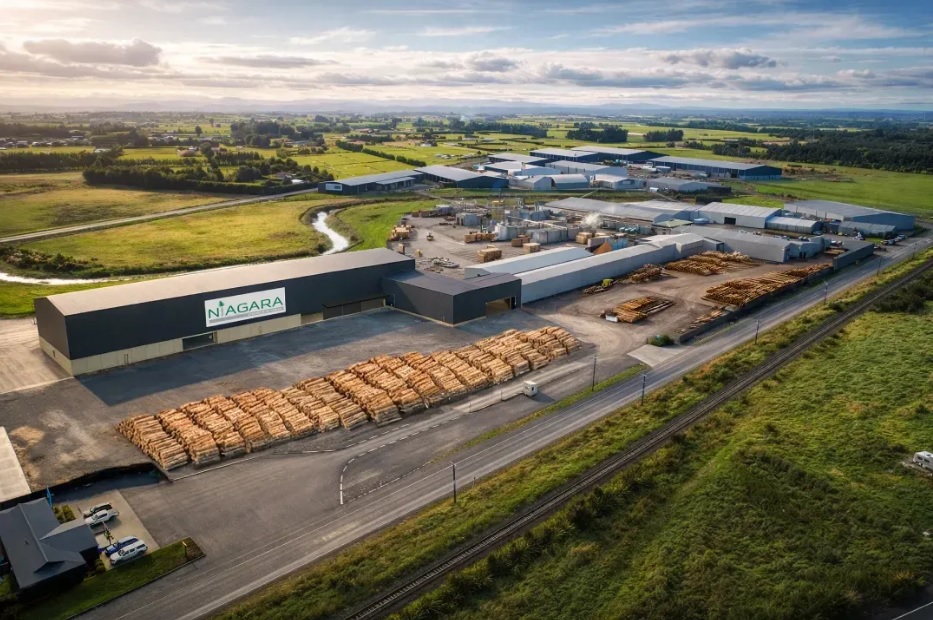
New sawmill under construction in Canada will raise log intake to 500,000 tonnes as North Island acquisition adds Ōtorohanga Timber Company operations.
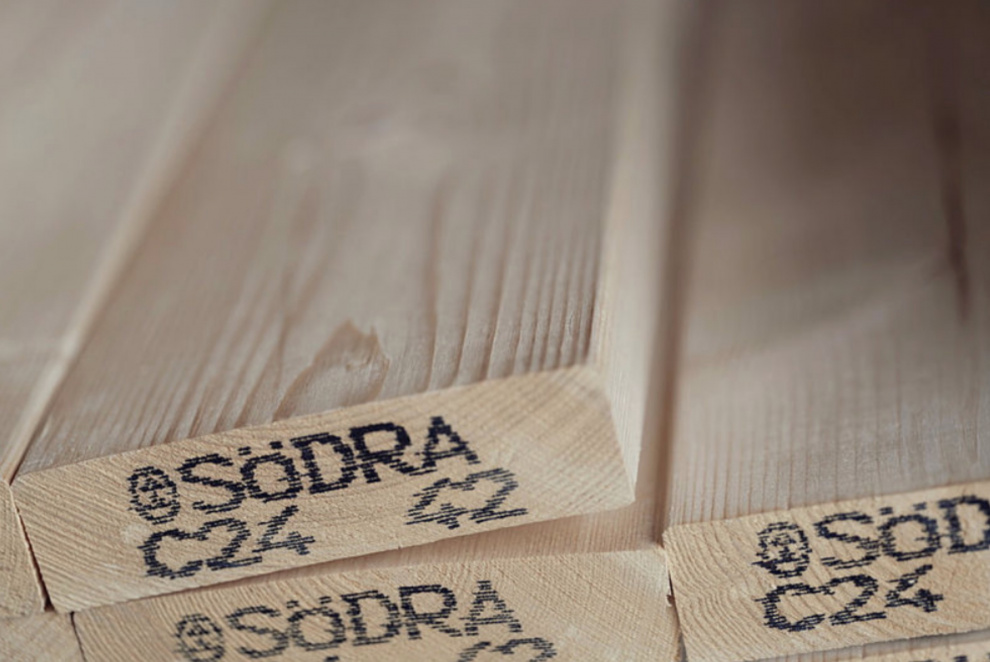
The forestry group cites higher logistics and input costs, a stronger krona and uneven pricing between wood supply and finished products, while pointing to small pulp-price gains late in the quarter.