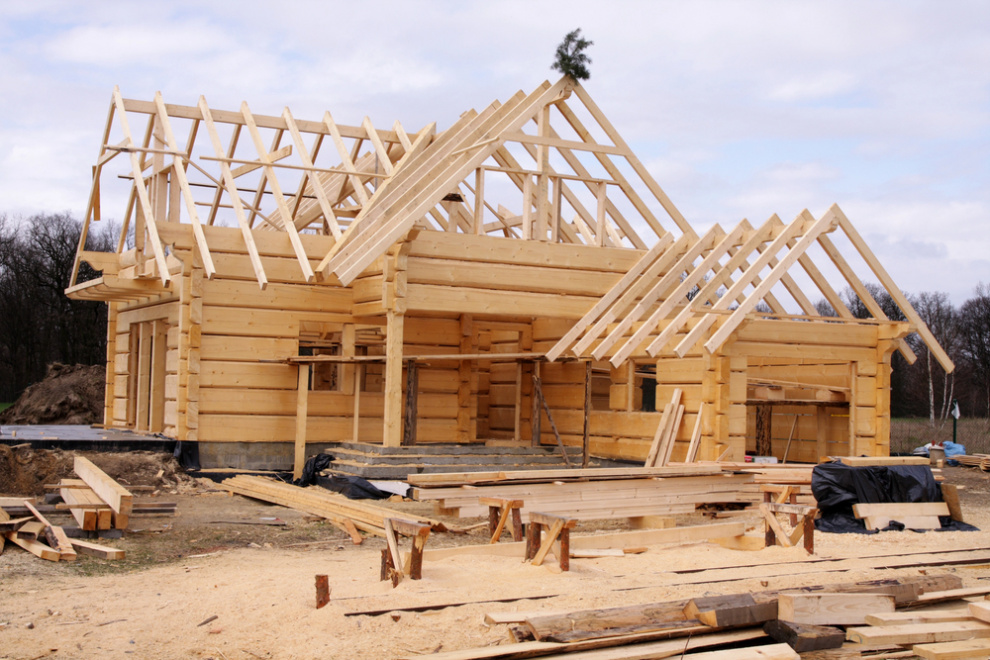
Wooden housing starts decrease 26.9% while monthly figures rise from February levels.
Wooden housing starts decrease 26.9% while monthly figures rise from February levels.
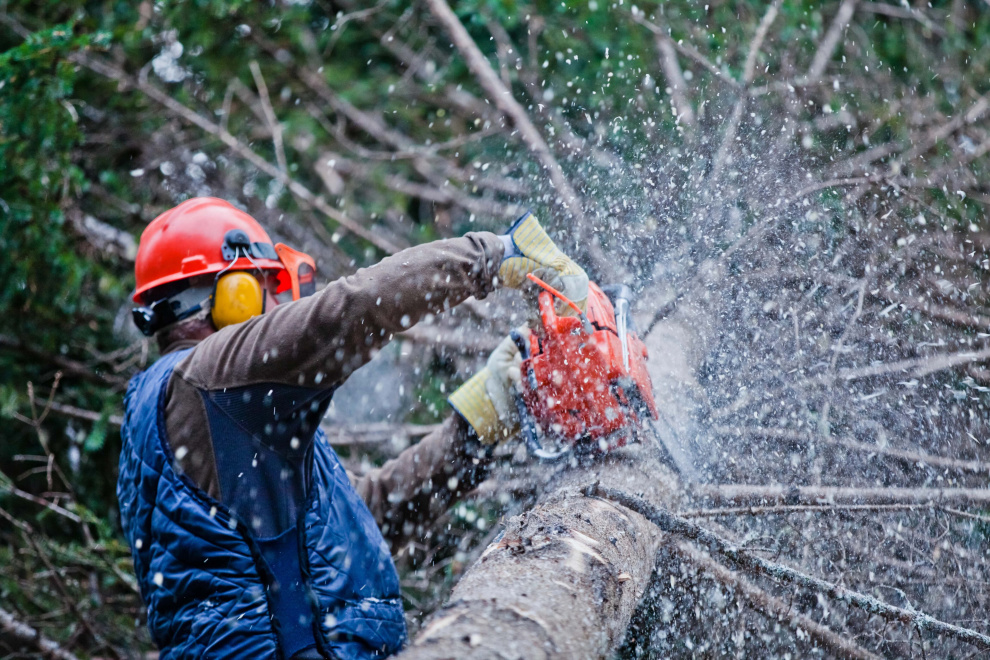
Sawlogs fall 5% in March, while pulpwood down 1%.

New Pennsylvania facility targets eCommerce sector and consolidates two prior sites with automated production.
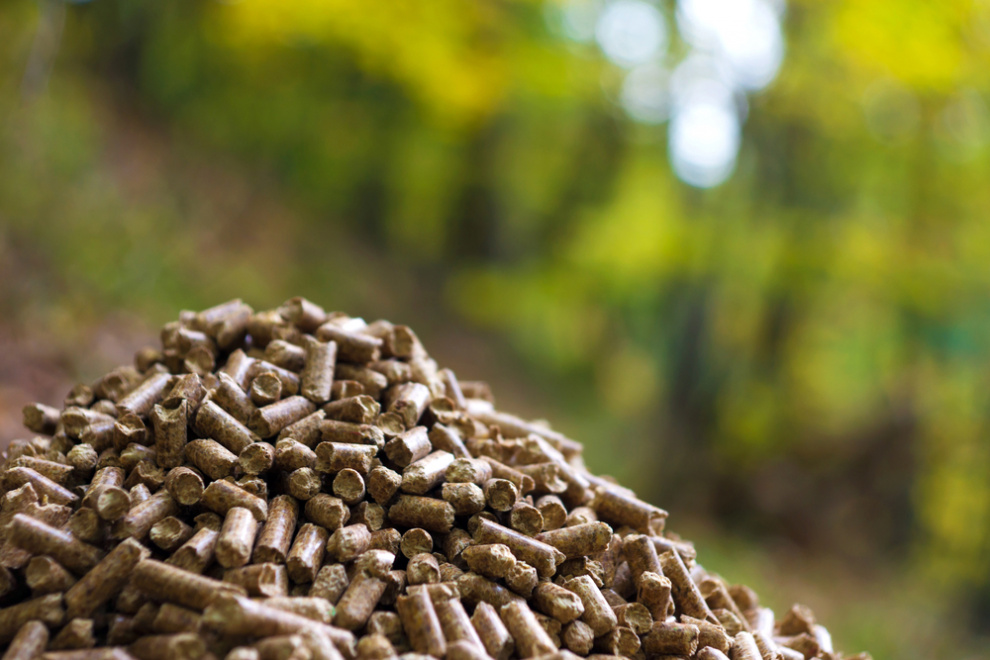
Model results show higher EU and UK production, lower U.S. Southeast prices, and larger trade changes than production changes after the rules take effect.
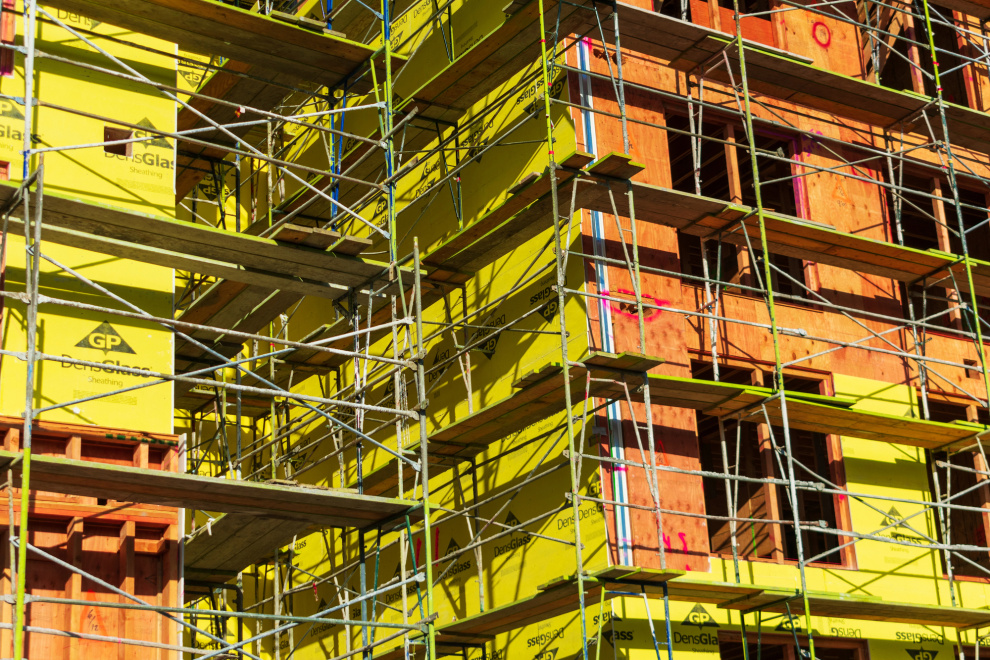
New construction increases 2.6-fold from February but remains 17% lower year-on-year.
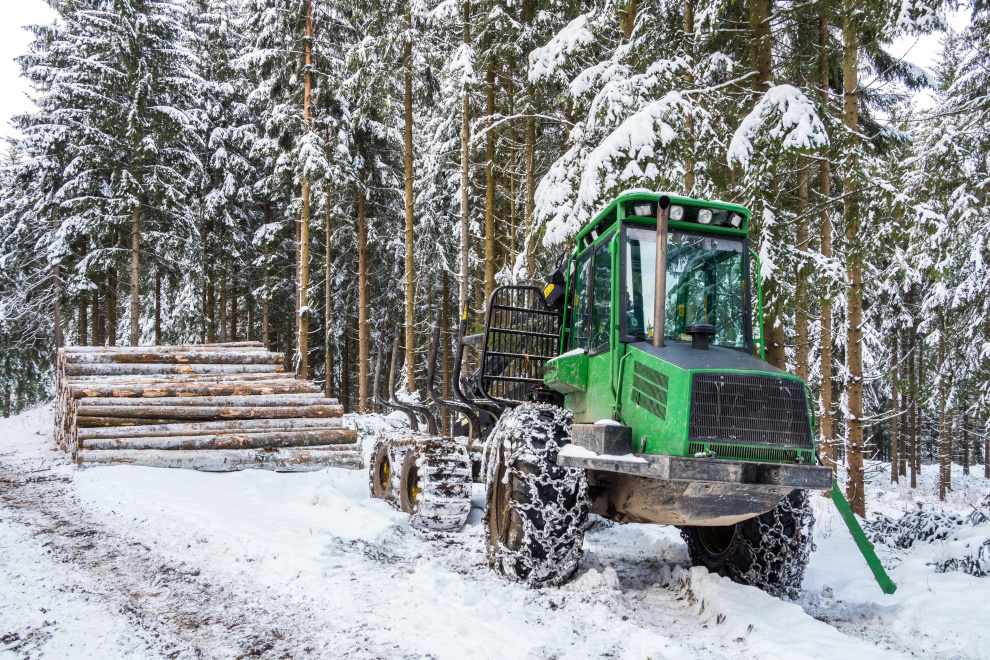
Volumes stay above last year’s level, while March sawlog and pulpwood prices fall from December.
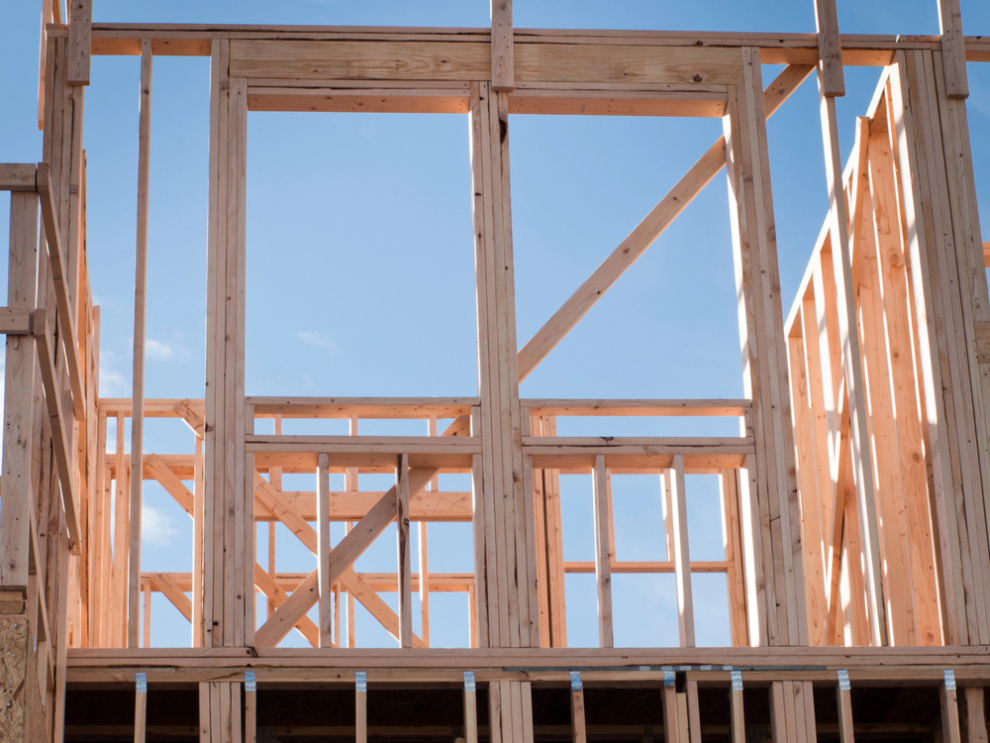
Wooden starts account for 59.6% of February starts, while both total and wooden starts rise from January.
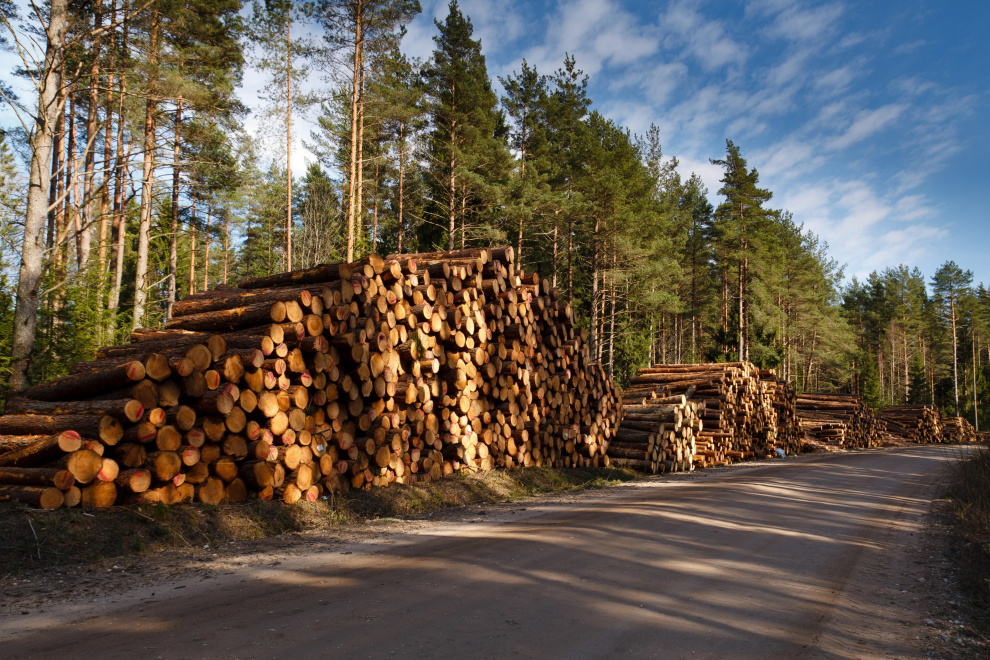
Sawlog harvesting drops 11% in February, while energywood totals 0.5 million m3, mostly delimbed stems and whole trees.

New PM2 expands production capacity with advanced drying and automation systems.
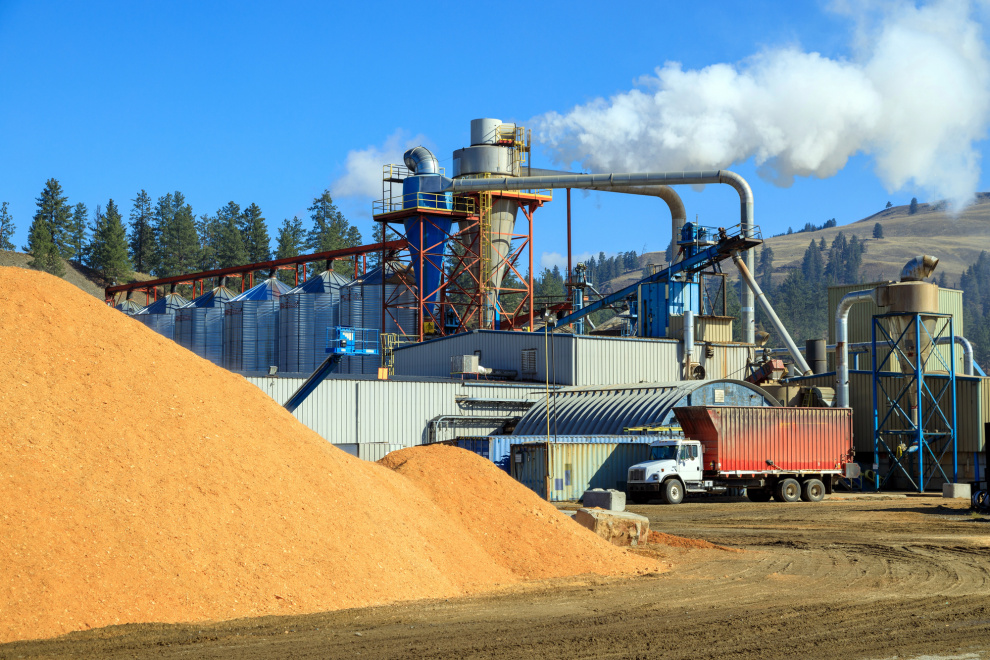
Forest chips fell to 9.1 million m3, while forest industry by-products rose to 10.4 million m3 in heat-only and combined heat and power generation.
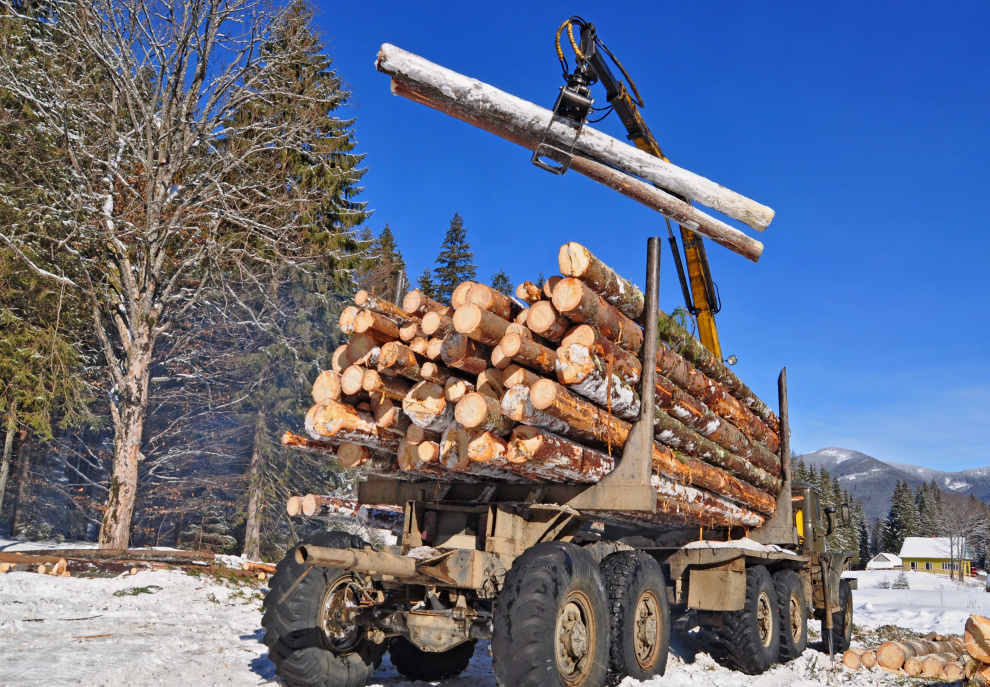
Total notified and applied felling area reaches 21,203 hectares, while montane forest permit area declines and regional results vary
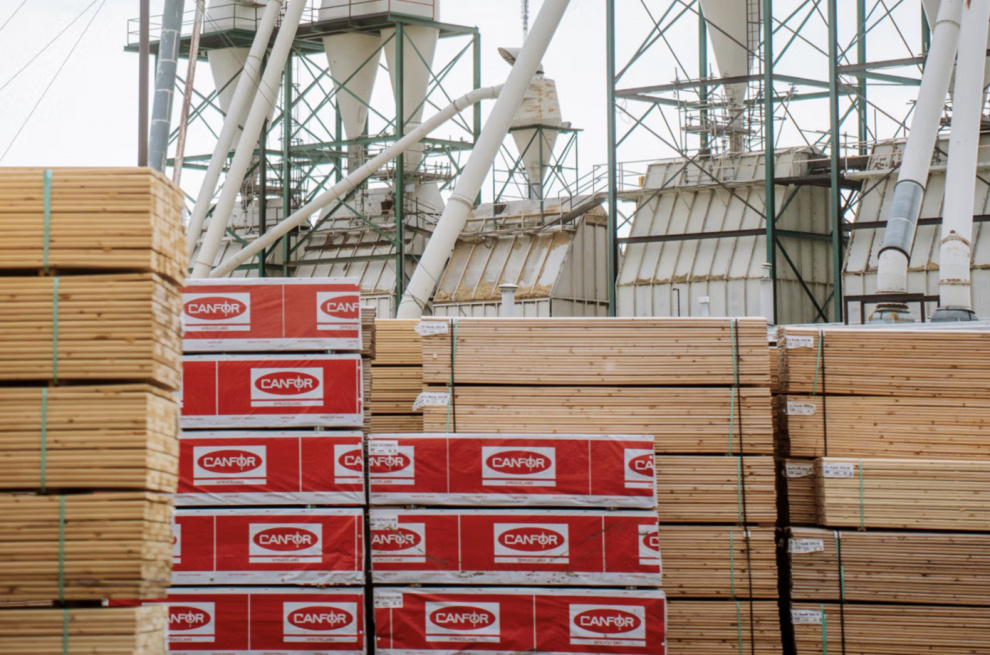
Lumber demand stayed weak through most of the quarter, while scheduled maintenance reduced pulp output.
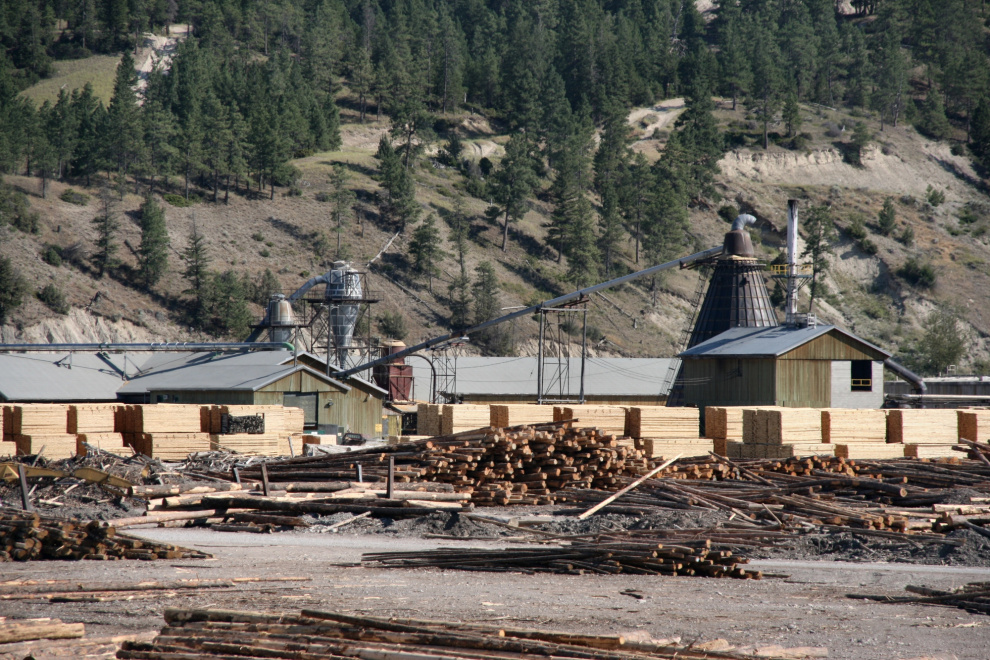
Lumber production’s year-on-year decline steepens in the fourth quarter, averaging a 9% drop in October–December versus a 0.34% increase in July–September, and ends the year with output down 8% in November and almost 13% in December.

Log imports drop 13.1% and timber production falls 1.1% from 2024.
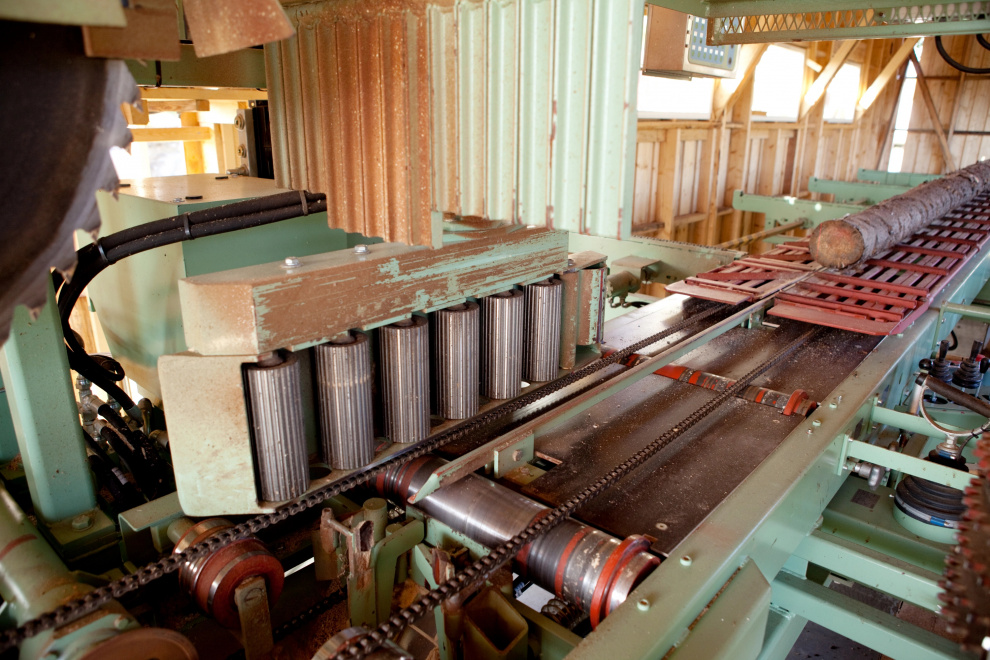
Shipments fall 7.8% and ending inventory drops 8.1% from December.
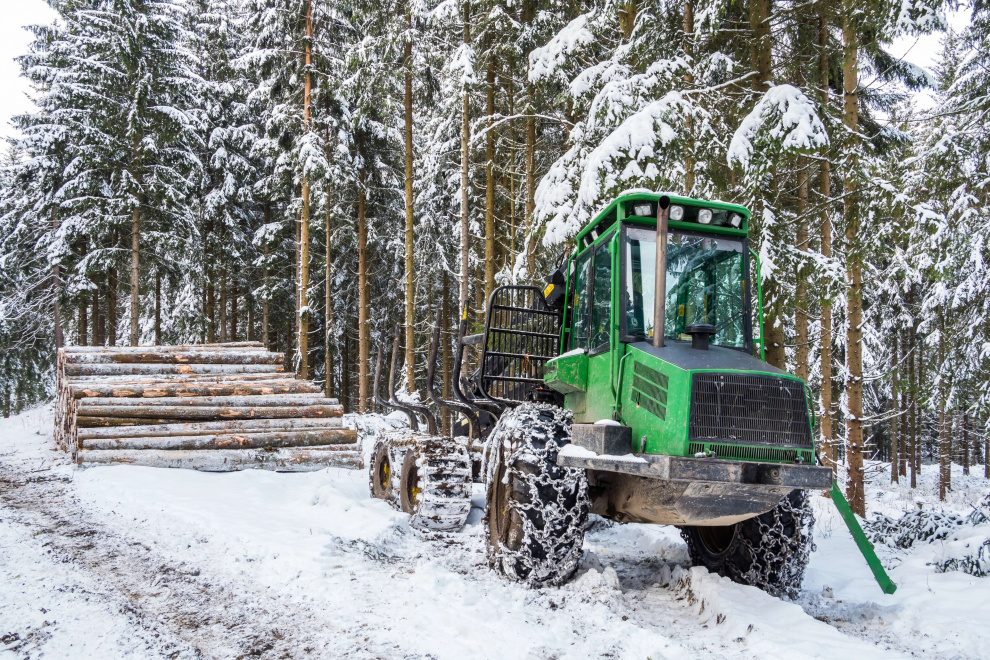
Pine and spruce each account for more than 2.1 million m3 across logs and pulpwood.

The comparison uses a 1950=100 index, while economy-wide labor productivity more than doubles over the same period.
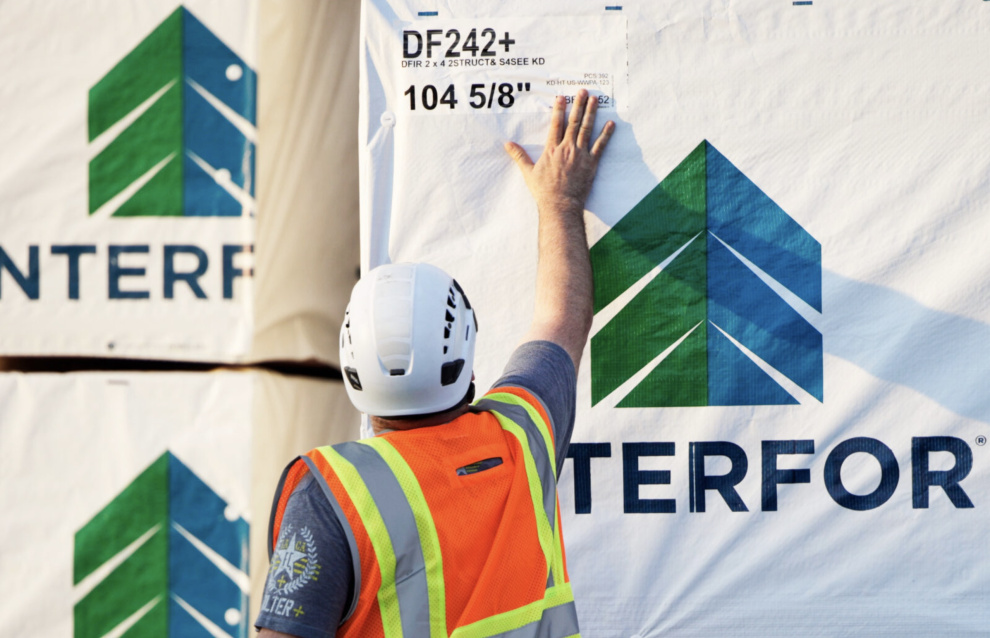
Weak lumber markets and higher U.S. trade costs pressure results, and the company expects early 2026 prices to fluctuate with winter weather and industry-wide lumber production curtailments.
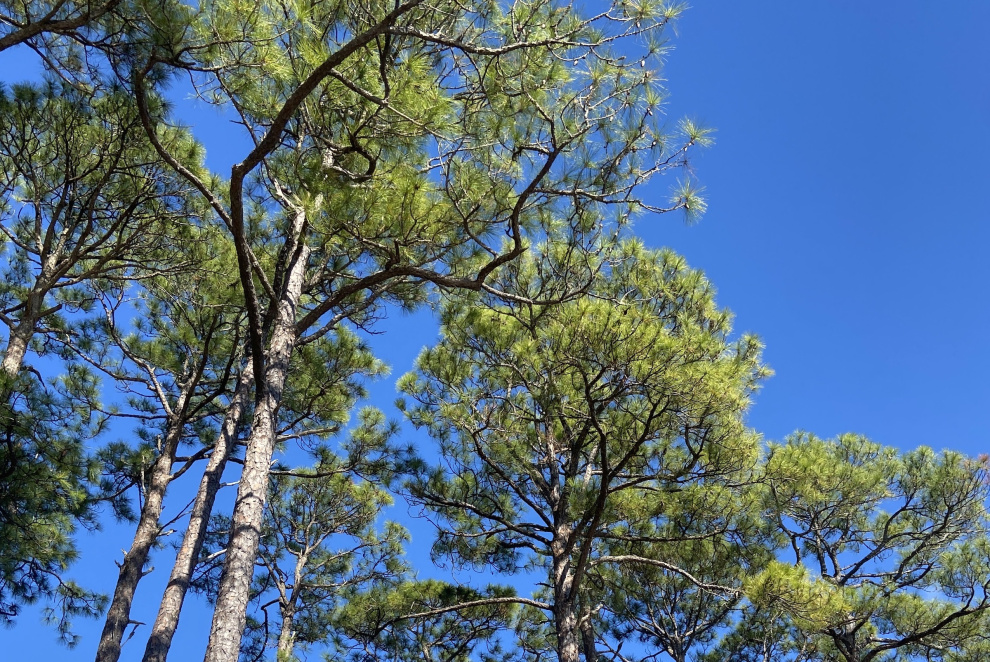
Company says stronger Real Estate results offset weak timber markets, with Southern pulpwood pricing down and Pacific Northwest harvest volumes lower year over year.
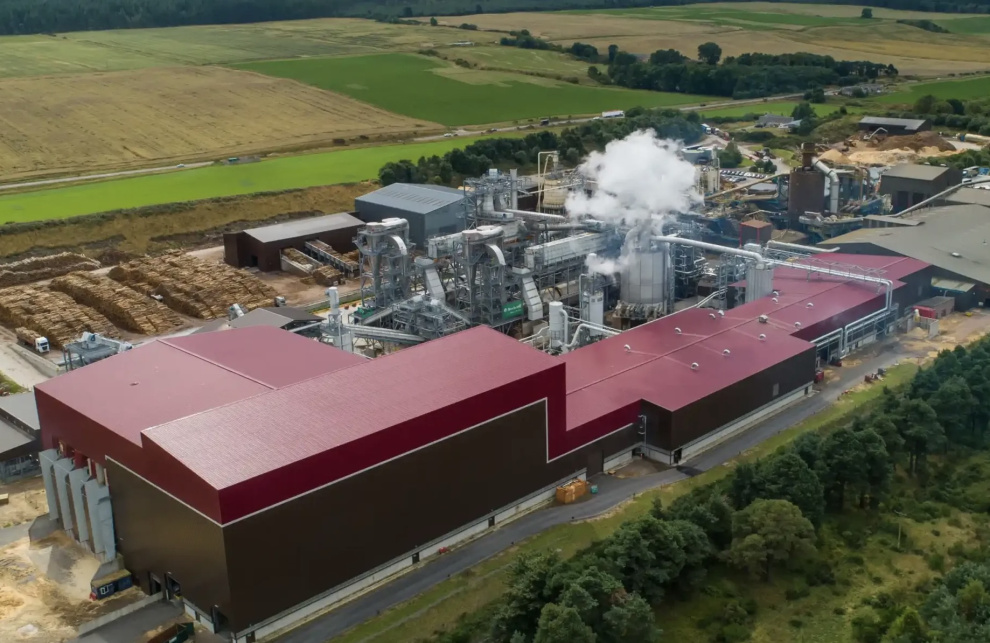
West Fraser says lumber duties, OSB and southern yellow pine oversupply, and housing affordability constraints keep wood building products markets pressured. It expects another year of modest demand in 2026 and reiterates lumber and OSB shipment targets.